
Introduction: The Hidden Cost of Contract Chaos
In the ever-evolving corporate landscape, contracts are the lifeblood of business relationships. Whether you’re sealing a deal with a supplier, managing employee agreements, or ensuring compliance with clients, contracts form the foundation of how companies operate. Yet, for many organizations—especially those relying on manual processes—contract management is often riddled with inefficiencies, bottlenecks, and costly errors.

This article explores how contract management software redefines business operations by shifting companies from chaos to control.
1. Understanding the Chaos: Challenges in Traditional Contract Management
Before delving into the transformative powers of CMS, it’s essential to understand the common pitfalls businesses face with manual or legacy contract systems:
a. Disorganization and Decentralization
Contracts are often scattered across departments—stored in filing cabinets, Excel sheets, or forgotten email threads. This fragmented approach leads to:
- Misplaced or inaccessible contracts
- Version confusion
- Inconsistent templates and clauses
b. Missed Deadlines and Obligations
Without centralized reminders or alert systems, businesses frequently miss renewal dates, compliance deadlines, or performance milestones—resulting in financial penalties, lost opportunities, or legal disputes.
c. Lack of Visibility and Control
Executives often lack a clear view of the contract pipeline. This obscurity hinders strategic decision-making and exposes the business to hidden risks.
d. Inefficient Approval Workflows
Manual routing of contracts between legal, procurement, finance, and management slows down the entire contracting process, leading to long cycle times and frustrated stakeholders.
e. Risk Exposure and Non-Compliance
Using outdated templates or inconsistent legal language can lead to non-compliance with regulatory standards, potentially inviting audits, fines, or litigation.
2. The Rise of Contract Management Software
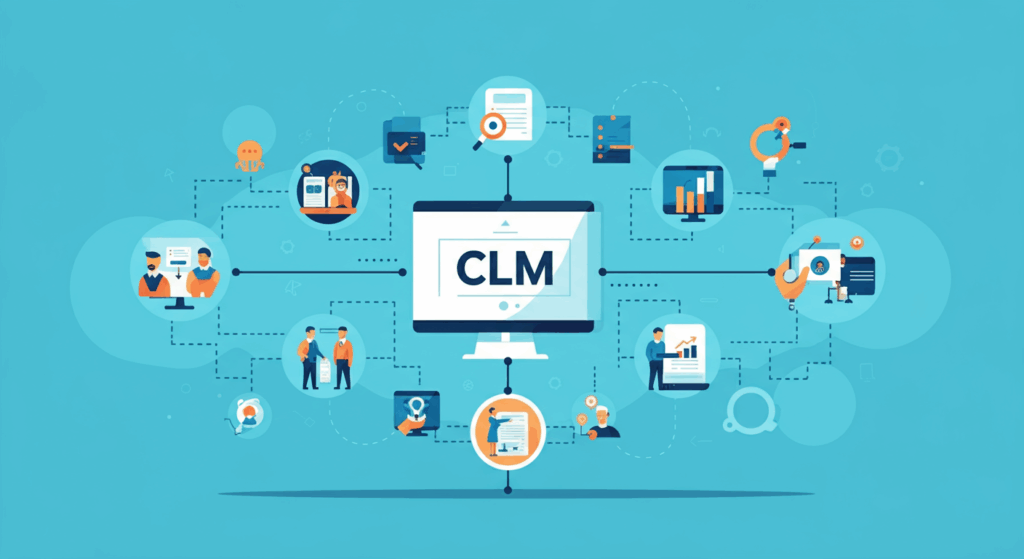
Contract management software is purpose-built to streamline and automate the end-to-end contract lifecycle—from authoring and negotiation to execution, tracking, and renewal. Key functionalities typically include:
- Centralized contract repository
- Automated alerts and reminders
- Customizable workflows and approvals
- Digital signatures and audit trails
- AI-based contract analytics and risk assessment
The result? A significant shift in how businesses operate, collaborate, and scale.
3. Transformational Benefits of CMS for Business Operations
Let’s break down the transformative effects of contract management software into tangible business outcomes:
a. Enhanced Organization and Centralization
Contract management platforms create a single source of truth. Every document is stored in a secure, searchable, and centralized digital repository. This ensures:
- Instant access to any contract from anywhere
- Controlled permissions to protect sensitive data
- Standardized templates and clauses across departments
Real-World Impact: A company with hundreds of vendor contracts can locate and analyze all renewal dates with a single dashboard—cutting down research time from hours to seconds.
b. Streamlined Workflows and Faster Cycle Times
CMS platforms digitize workflows, allowing contracts to be automatically routed through pre-set approval chains. Legal teams can review, approve, and redline documents without the friction of email chains.
Result: Contracts that used to take weeks to approve can now be finalized in a few days or even hours.
c. Proactive Compliance and Risk Management
Top-tier CMS solutions use AI and machine learning to flag non-standard clauses, track regulatory requirements, and ensure contracts adhere to internal policies. They also maintain an audit trail for every action taken.
This ensures:
- Reduced legal risk
- Quicker compliance reporting
- Improved readiness for audits or disputes
d. Performance Monitoring and Business Intelligence
Contract data isn’t just administrative—it’s strategic. CMS tools allow companies to extract actionable insights from their contracts:
- Which vendors are underperforming?
- Are clients meeting their payment terms?
- Which clauses are consistently renegotiated?
With dashboards and KPIs, business leaders can drive smarter decisions.
e. Reduced Costs and Revenue Leakage
By automating alerts and renewals, businesses can avoid late fees or auto-renewing unfavorable terms. CMS also helps spot duplicate vendor contracts or redundant services—saving money and reducing operational waste.
4. Contract Management in Key Business Functions
The value of CMS extends across departments. Here’s how different teams benefit:
Procurement and Vendor Management
- Consolidate supplier contracts
- Track pricing changes and delivery terms
- Ensure vendors meet Service Level Agreements (SLAs)
Legal and Compliance
- Use pre-approved clause libraries to ensure consistency
- Minimize legal review time through standardized templates
- Stay audit-ready with full compliance documentation
Sales and Revenue Teams
- Speed up deal closures with pre-filled, auto-generated contracts
- Integrate with CRM systems to track contract status
- Avoid revenue leakage through better obligation tracking
Finance and Accounting
- Forecast revenue and expenses accurately based on contract terms
- Track milestones for billing and payments
- Monitor cost overruns in long-term agreements
5.Embracing Automation and AI in CMS
Modern CMS platforms such as SutiCLM aren’t just repositories—they’re intelligent systems that learn and optimize over time.
AI-Powered Clause Detection and Risk Scoring
AI can highlight risky clauses,compare them against industry benchmarks, and suggest alternatives. This empowers legal teams to focus on high-impact decisions rather than repetitive reviews.
Smart Contract Creation
Templates can be populated dynamically based on metadata (client name, deal type, geography), ensuring compliance and reducing human error.
Predictive Insights
AI tools can analyze contract performance over time and offer predictions such as:
- Likelihood of renewal
- Potential disputes
- Bottlenecks in approval flows
6.Real-World Case Study: A Mid-Sized Tech Firm’s Transformation
A mid-sized SaaS company was grappling with over 3,000 contracts spread across 12 departments. Their pain points included missed renewals, legal bottlenecks, and no clear view of vendor performance.
After implementing a CMS solution:
- Contract approval time dropped by 60%
- Missed renewal penalties reduced to zero
- Contract audits that once took two weeks were completed in three days
- Procurement team renegotiated 15% of vendor contracts after analyzing cost-performance metrics
The software didn’t just organize contracts—it changed the company’s operational rhythm.
7.Overcoming Barriers to CMS Adoption
Despite the benefits, companies often hesitate to invest in CMS due to perceived barriers:
a. Integration Challenges
Worrying whether CMS will work with CRMs, ERPs, or HR systems is common. However, most modern platforms offer robust APIs and plug-and-play integrations.
b. Change Management
Employees may resist moving from familiar tools like spreadsheets. The solution lies in:
- Intuitive user interfaces
- Strong onboarding support
- Executive sponsorship to drive adoption
c. Cost Concerns
While CMS solutions vary in price, the ROI—through saved time, reduced risk, and better insights—typically far outweighs the investment within the first year.
8.Future of Contract Management: What Lies Ahead
As the corporate world becomes increasingly digitized, the future of contract management is poised for exciting innovations:
a. Blockchain-Based Smart Contracts
These are self-executing contracts with terms directly written into code. They offer enhanced security, transparency, and automation for specific use cases like escrow or performance-based payments.
b. Full Lifecycle Contracting
CMS platforms are evolving into Contract Lifecycle Management (CLM) suites—handling everything from initial request to negotiation, eSignature, performance monitoring, and renewal.
c. Real-Time Collaboration
Cloud-based platforms will enable teams across geographies to collaborate on contracts in real-time, similar to how Google Docs transformed document editing.
d. ESG and Sustainability Clauses
With growing focus on environmental, social, and governance (ESG) metrics, CMS tools will increasingly track compliance with green clauses and corporate social responsibility standards.
Conclusion: From Chaos to Competitive Advantage
Contracts are more than just legal documents—they are strategic assets. Businesses that rely on manual processes are not only risking errors and inefficiencies but also missing out on valuable insights and opportunities.
Contract management software turns contract chaos into operational clarity. It empowers every team—from legal to finance—to act with confidence, agility, and precision.
In a world where competitive edge hinges on speed, compliance, and foresight, CMS is no longer a luxury—it’s a necessity.
Take Action: Is Your Business Ready for the Shift?
Ask yourself:
- Do you know where all your contracts are stored?
- Are contract delays slowing down your deals?
- Can you confidently say you’re compliant with every obligation?
If the answer to any of these is “no,” it may be time to move from chaos to control. A well-implemented contract management system won’t just solve problems—it will unlock possibilities.