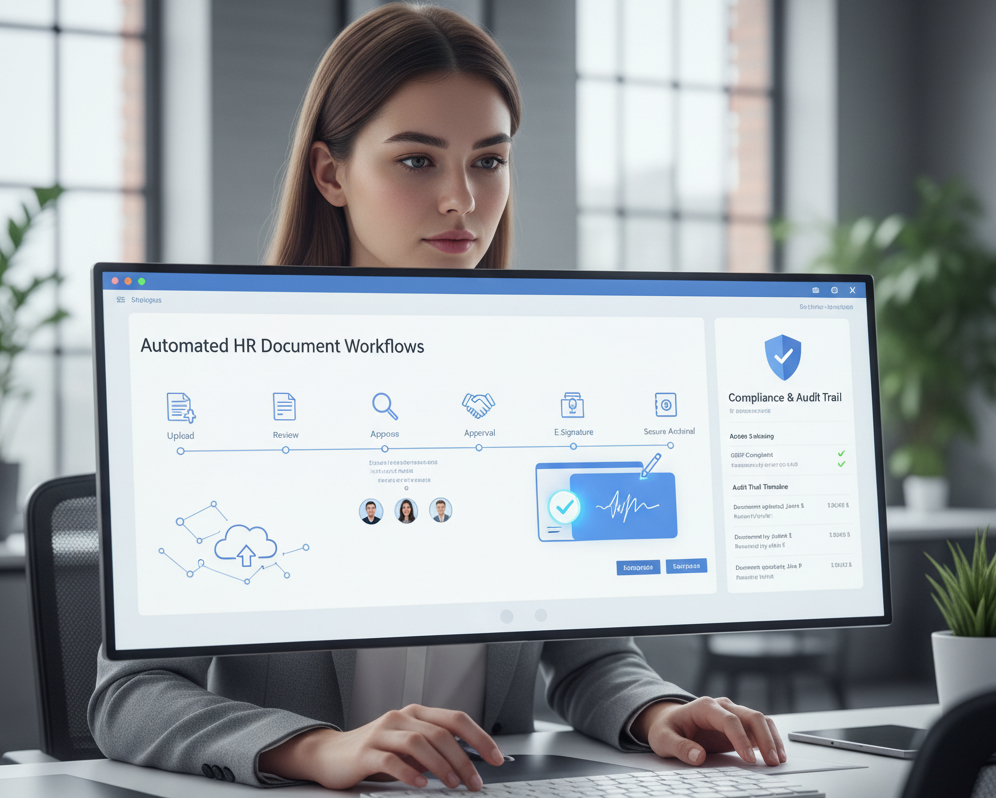
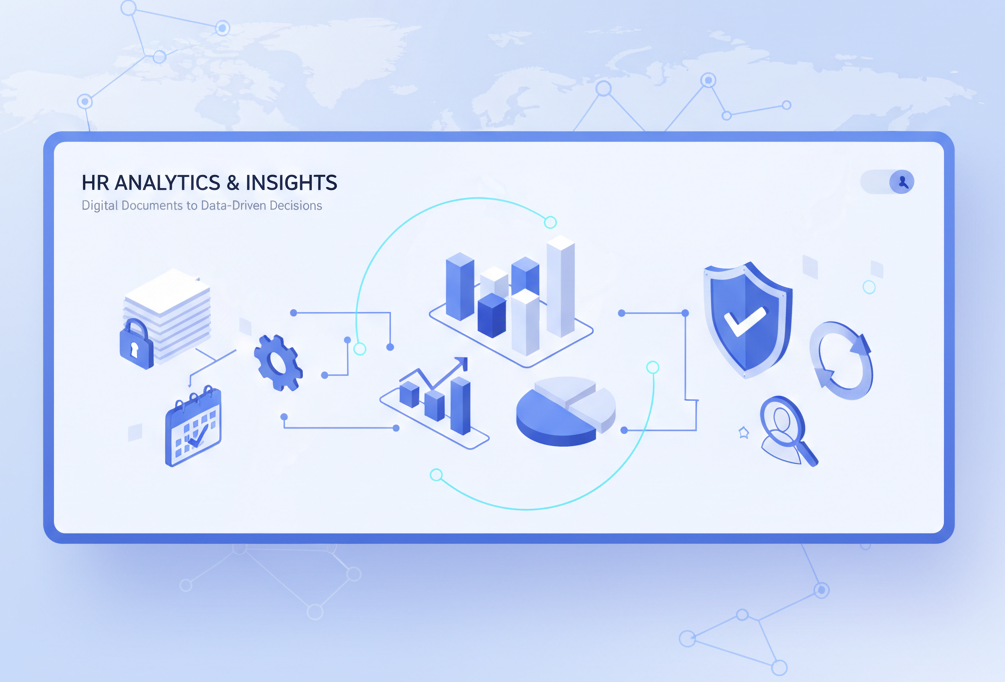
Document management in HR has historically been viewed as an administrative function—focused primarily on organizing files, storing records, and meeting compliance requirements. However, as organizations shift to digital ecosystems, HR documents now represent a powerful source of insight. Every form, acknowledgment, performance record, and training certification contains trends that reflect the health, behavior, and performance of the workforce. When analytics are tied to document management systems, HR can interpret trends, identify risks early, and make more informed decisions. This evolution transforms HR from a reactive function to a proactive strategic partner across the business.
Key Takeaways
- Document analytics reveal workflow inefficiencies, compliance gaps, and workforce trends.
- Analytical insights help HR make more accurate, data-driven decisions.
- Predictive analytics anticipate risks before they escalate.
The Role of Analytics Across the HR Document Lifecycle
As documents move through the HR ecosystem—from creation to approval to long-term storage—they generate valuable data points. Analyzing these points helps HR understand how effectively employees complete tasks, how well managers uphold documentation requirements, and where compliance risks may be developing. Instead of simply storing files, HR begins leveraging them to track operational health and organizational patterns.
Key Takeaways
- Workflow analytics highlight patterns, delays, and areas requiring oversight.
- Compliance analytics surface missing, expired, or inconsistent documentation.
- Workforce analytics uncover cultural and performance trends.
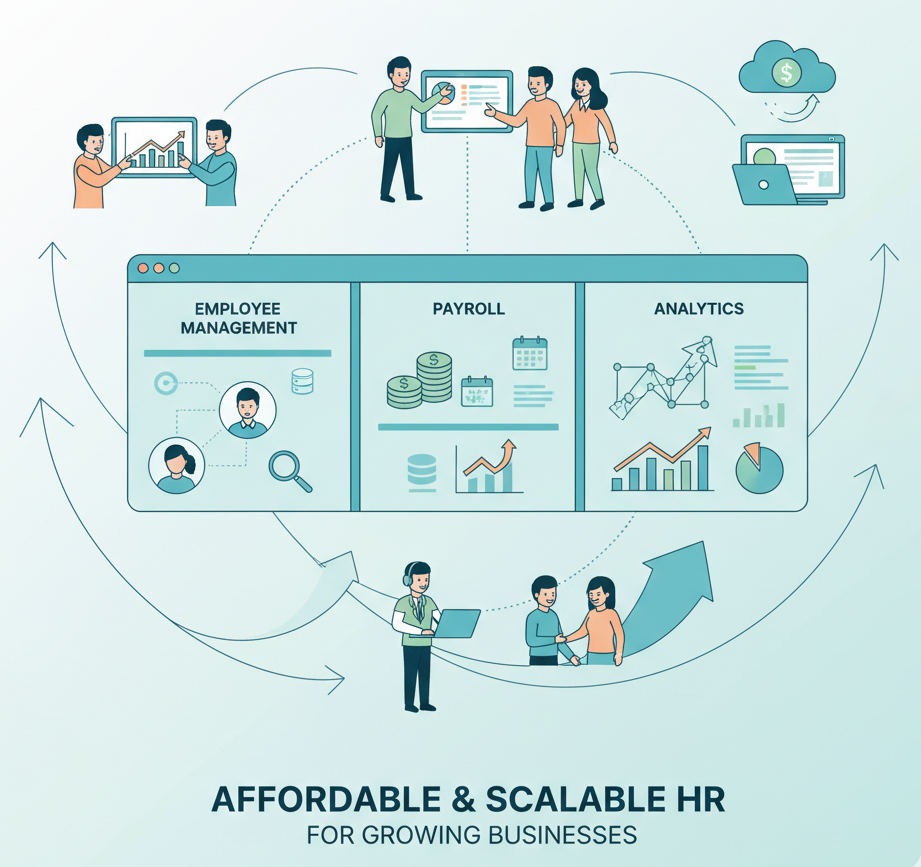
Need an Affordable HR Solution for Your Business?
SutiHR offers scalable tools designed for growing companies.
Tracking Document Volume & Process Efficiency
Understanding the volume and velocity of document activity allows HR to monitor operational load and evaluate where inefficiencies originate. For example, a high number of delayed performance reviews may indicate insufficient manager training or an overly complicated review process. Time-to-approval metrics for onboarding or benefits forms can reveal whether routing rules need adjustment or whether certain departments consistently struggle with timely documentation. These insights help HR assess whether staffing, training, or workflow design is contributing to inefficiencies.
Identifying Compliance Risks in Real Time
Compliance issues typically arise from gaps such as missing signatures, outdated certifications, unsigned policy updates, or incomplete onboarding files. Analytics make these risks visible long before an audit occurs. Systems can surface employees who lack required documents, identify trends within departments that repeatedly miss deadlines, or highlight policy acknowledgments that remain incomplete. By recognizing compliance gaps early, HR can intervene proactively, protecting the organization from regulatory penalties.
Measuring Workforce Trends Through Documentation
Documents such as performance reviews, disciplinary notes, exit interview summaries, and training records contain patterns that extend far beyond administrative data. When analyzed collectively, they reveal deeper organizational issues—such as whether managers are providing meaningful feedback, whether coaching interventions correlate with improved performance, or whether training participation lags in certain divisions. These insights equip HR leaders with evidence to guide talent development initiatives, training investments, or culture-improvement strategies.
Predictive Analytics and Future-Ready HR Operations
Predictive analytics extends HR’s impact by forecasting future trends based on historical patterns. This allows HR to anticipate upcoming risks and prepare for required actions rather than reacting after issues escalate.
Key Takeaways
- Predictive analytics enhances planning, forecasting, and risk mitigation.
- Anticipatory alerts support timely renewals and documentation updates.
- Forecasting strengthens long-term workforce and compliance strategies.
Anticipating Document Expiration & Renewal Cycles
Many HR documents—such as compliance training, professional certifications, licenses, and contractual documents—come with expiration or renewal deadlines. Predictive analytics monitors these dates and forecasts when renewals will be required. Instead of scrambling at the last minute, HR receives early warnings that make renewal workflows more strategic and controlled. This protects organizations from operating with expired credentials or out-of-date compliance documentation.
Predicting Turnover & Performance Challenges
Patterns within documents also serve as early warning indicators of turnover risk or performance issues. A trend of decreasing performance ratings, recurring disciplinary actions, or delayed engagement with training materials may signal disengagement or managerial barriers. When HR identifies these patterns early, they can deploy targeted interventions such as coaching, additional development opportunities, or manager feedback training, thereby improving the likelihood of retaining the employee or increasing performance outcomes.
Forecasting Compliance Requirements
As regulations change, HR must determine how new rules will affect documentation requirements, retention policies, and workflow processes. Predictive analytics analyzes historical compliance performance and upcoming legislative changes to determine which workflows or document categories may require adjustments. This proactive perspective reduces the operational stress of compliance updates and ensures a seamless transition when new regulations take place.
Using Analytics to Demonstrate HR’s Strategic Value
Executives increasingly expect HR to bring data—not just experience or intuition—to strategic discussions. Document analytics positions HR to quantify departmental efficiency, highlight compliance stability, measure process improvements, and demonstrate workforce readiness. When HR presents trend analyses, forecast models, and risk mitigation summaries, leadership gains a clearer understanding of HR’s contribution to organizational performance. This strengthens the business case for technology investment, staffing resources, and expanded HR initiatives.

Want to experience seamless HR management?
Schedule a personalized demo and see how SutiHR can help streamline recruitment, payroll, benefits, and employee engagement—all in one platform.
Conclusion
HR document analytics is a transformative capability for modern organizations. They shift the role of HR from archiving and administration to insight generation, strategic forecasting, and proactive risk management. By leveraging analytics throughout the document lifecycle, HR can uncover inefficiencies, pinpoint compliance vulnerabilities, understand workforce behavior, and predict emerging risks before they impact the business. As regulatory environments grow more complex and organizations rely on agile decision-making, document analytics offer the intelligence needed to support long-term operational excellence and strategic leadership.
FAQs
Most begin by standardizing document structures and workflows so that data becomes measurable. Once processes are consistent, HR leaders can activate analytics dashboards within their document management system to monitor trends, compliance gaps, and workflow performance.
Not typically. Modern systems provide intuitive dashboards and visual summaries that require minimal analytical experience. HR teams can interpret insights easily, and more advanced users can dive deeper into granular data if needed.
Analytics continuously monitor documentation quality, completeness, and retention schedules. By identifying issues before an audit begins, HR can correct deficiencies proactively, reducing audit preparation time and increasing confidence during reviews.
Yes. Persistent patterns—such as late performance reviews, recurring disciplinary actions, or low engagement in required training—often indicate deeper cultural, managerial, or process-related challenges. Analytics help HR pinpoint where intervention is needed.
Common obstacles include inconsistent documentation practices, legacy systems that lack analytical capabilities, and resistance to process changes. Addressing these issues through governance, training, and centralized digital systems helps ensure successful adoption.