
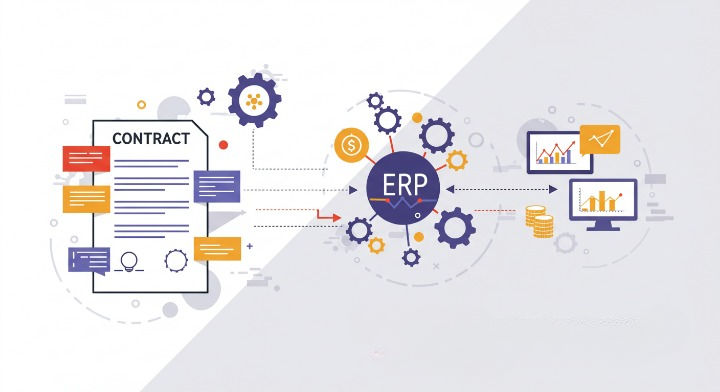
In the ever-evolving digital business landscape, organizations are under constant pressure to optimize processes, improve efficiency, and stay compliant. Among the many processes that require modernization, contract management stands out as a critical function. While traditional contract management systems have done a decent job of centralizing agreements and ensuring compliance, the game has changed. Today, businesses demand seamless integration between Contract Lifecycle Management (CLM) systems and Enterprise Resource Planning (ERP) software. Why? Because in 2025 and beyond, operating in silos is no longer an option.
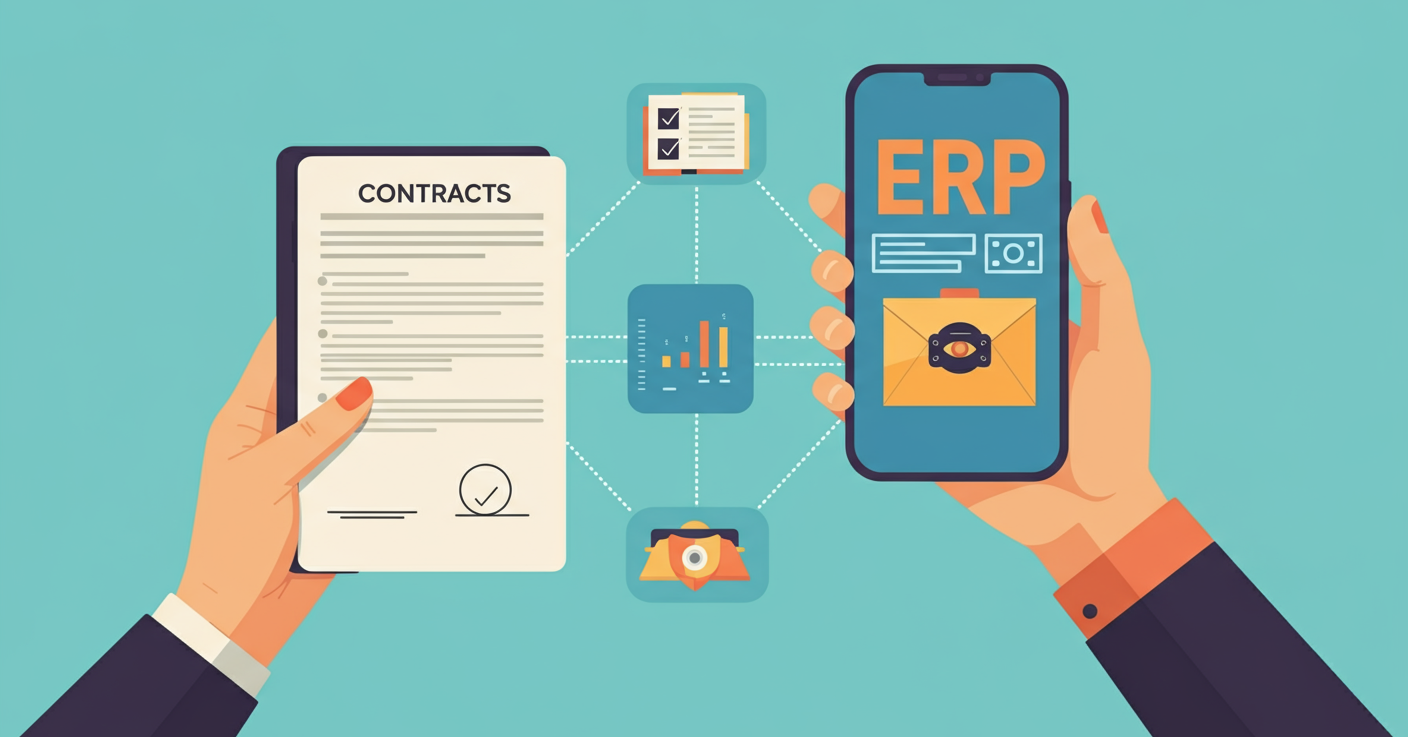
In this article, we’ll explore why integrating contract management with ERP systems is essential, the key benefits, the risks of ignoring this integration, and how businesses can achieve a smooth and efficient setup.
Why Integration
Historically, businesses managed contracts in isolation. Legal departments focused on drafting and compliance, while finance teams handled billing and procurement departments monitored vendor relationships. This siloed approach was inefficient and erroneous. With the rise of ERP solutions like SAP, Oracle, and NetSuite, businesses realized the power of centralized data—but contract management often remained an afterthought.
Fast forward to today, contracts are no longer static documents. They’re dynamic sources of business intelligence that influence everything from spend management and cash flow forecasting to regulatory compliance. To leverage these insights, contracts must seamlessly interact with ERP systems.
Why ERP Integration is Must
Here are the primary reasons why integrating contract management with ERP systems has become a necessity:
1. No Data Errors
Without integration, legal, finance, and procurement teams operate on separate datasets. This creates data duplication, inconsistencies, and blind spots. For example, your legal team may have the latest contract terms, but the finance team may still be billing based on outdated rates. ERP integration ensures a single source of truth, eliminating errors and miscommunication.
2. Greater Visibility
ERP systems are the backbone of financial management. When contract data flows directly into ERP, organizations can track obligations, payment terms, and revenue forecasts in real time. This means no surprises at quarter-end and more accurate cash flow projections.
3. Compliant and Audit Ready
Regulatory compliance is non-negotiable in industries like healthcare, finance, and manufacturing. Manual processes increase the risk of non-compliance and penalties. Integration allows automated alerts for contract renewals, clause deviations, and obligation tracking, ensuring you’re always audit-ready.
4. Vendor Management
For procurement teams, managing vendor performance and contract obligations is critical. ERP integration enables procurement managers to monitor vendor compliance, performance metrics, and spending caps without jumping between systems. This reduces cycle time and improves supplier relationships.
5. Scalable
As businesses expand globally, managing thousands of contracts becomes impossible without automation and integration. ERP-connected contract systems scale easily, supporting multiple currencies, tax regulations, and compliance frameworks.
Why CLM Should Integrate with ERP Systems
Let’s dive deeper into the tangible benefits businesses experience after implementing this integration:
Complete Process Automation
From contract creation to payment processing, integration ensures there are no manual hand-offs. Purchase orders, invoices, and contract terms sync automatically between systems.
Accuracy
Manual data entry is prone to mistakes, which can lead to incorrect billing, missed obligations, and compliance issues. Integration removes these risks by maintaining consistent data across platforms.
Quick Decision-Making with Real-time Insights
ERP systems generate financial insights, but when combined with contract data, businesses can identify spend leakage, negotiate better terms, and forecast accurately. For example, understanding vendor discount clauses linked with actual spend helps maximize cost savings.
Automated Workflows
Integrated workflows ensure that finance, legal, and operations teams collaborate seamlessly, reducing approval times from days to hours.
Better Experience
By eliminating delays and disputes related to billing or delivery timelines, integration helps strengthen business relationships and enhance overall experience.
Lack of Integration Drawbacks
Businesses that delay or avoid integration face serious challenges:
- Revenue Loss: Missed discounts, incorrect billing, and failure to enforce penalty clauses lead to financial losses.
- Compliance Issues: Lack of visibility increases the chance of regulatory breaches, leading to fines and reputational damage.
- Process Inefficiency: Manual updates, duplicate entries, and disconnected systems waste resources and slow down operations.
- Poor Decision-Making: Without integrated data, leadership teams operate on incomplete insights, impacting strategic planning.
Seamless Integrations
Now that we understand the importance of integration, how can organizations make it happen? Here are some key steps:
1. Choose the Right CLM Software
Select a contract management system that offers native integrations with leading ERP systems like SAP, Oracle NetSuite, and Microsoft Dynamics. Cloud-based CLM tools often provide pre-built connectors.
2. Goals
Clarify the objectives: Do you want financial reporting accuracy, compliance tracking, or procurement optimization? Your goals will determine the scope of integration.
3. Field Mapping
Contracts contain critical fields like payment terms, obligations, and renewal dates. Map these fields to ERP data points to ensure synchronization.
4. Capitalize on APIs and Middleware
Use APIs or middleware solutions to establish secure, real-time data exchange. This reduces manual intervention and ensures smooth workflows.
5. Proper Training
Integration isn’t just about technology—it’s about people. Ensure your finance, legal, and procurement teams are trained to leverage the integrated system effectively.
6. Process Optimization
After deployment, continuously monitor system performance and refine workflows to enhance efficiency.
Top Features to Look for in an Integrated CLM-ERP Solution
- Real-Time Synchronization: Instant data updates between ERP and CLM systems.
- Alerts & Reminders: For renewals, compliance deadlines, and payment terms.
- Reporting Capabilities: Consolidated dashboards combining contract and financial data.
- Access Controls: Secure access for different departments.
- AI-Powered Insights: Predictive analytics for risk assessment and cost optimization.
What is in it for the Future?
By 2025, the demand for AI-driven contract analytics integrated with ERP systems will skyrocket. Businesses will no longer view integration as an option but as a strategic necessity. Advanced CLM tools will leverage machine learning to predict risks, automate negotiation, and recommend cost-saving measures—all within the ERP ecosystem.
Conclusion
Seamless integration between contract management and ERP is no longer a luxury—it’s a competitive imperative. Organizations that embrace this synergy will reduce risks, enhance compliance, and gain unprecedented financial visibility, while those that stick to siloed systems will struggle to keep up in a hyper-connected business environment.
If your business hasn’t yet integrated its CLM with ERP, now is the time to act. The future belongs to those who can turn contract data into actionable intelligence, and integration is the first step toward that future.