
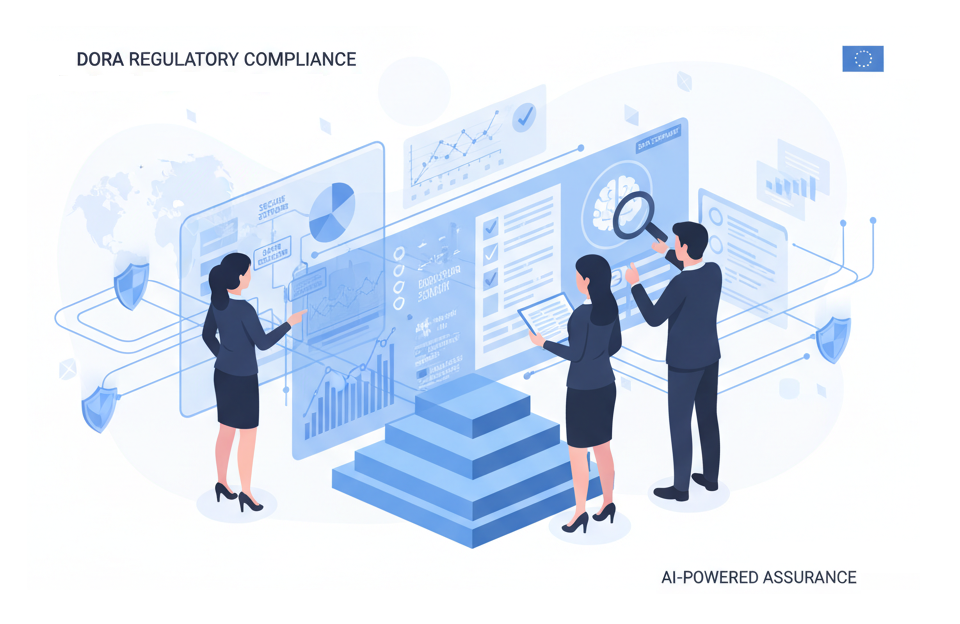
In today’s fast-paced digital landscape, compliance with regulatory frameworks is not just an option—it’s a necessity. One of the most significant regulations gaining traction is the Digital Operational Resilience Act (DORA). DORA helps financial institutions become more resilient to disruptions in ICT (Information and Communications Technology). It changes how organizations handle risk, cybersecurity, and operational continuity.
With cyber threats evolving rapidly and digital dependencies increasing, businesses must stay ahead of future trends in DORA compliance. This article looks at what is next for DORA regulations. It discusses the role of technology and how organizations can prepare for upcoming changes.
Understanding DORA Compliance
What is DORA Compliance?
DORA, or the Digital Operational Resilience Act, is a set of rules from the European Union. It helps financial companies handle, respond to, and recover from problems related to information and communication technology (ICT). The rule applies to banks, insurance companies, investment firms, and other financial groups that manage sensitive digital transactions.
DORA focuses on operational resilience, meaning businesses must develop strategies to maintain services even during cyberattacks, system failures, or data breaches. Compliance with DORA is critical. Financial institutions can more quickly maintain stability, customer trust, and regulatory approval through compliance.
Key Components of DORA Compliance
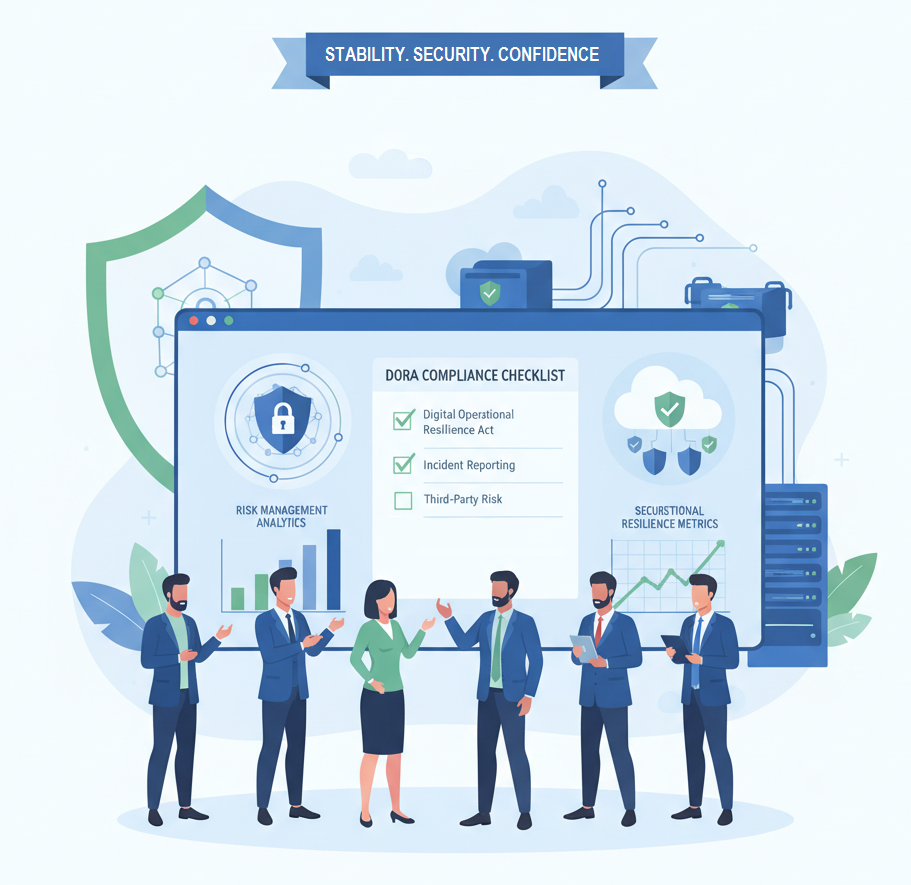
To meet DORA compliance requirements, organizations must follow a structured compliance checklist, which includes:
- Risk Management: Identifying, assessing, and mitigating ICT-related risks.
- Incident Reporting: Clear processes and procedures for reporting cyber incidents should be established and followed.
- Operational Resilience Testing: Business continuity should be monitored by conducting regular tests.
- Third-Party Risk Management: Assessing and monitoring third-party ICT providers for compliance.
- Data Protection & Encryption: Sensitive data should be safeguarded through encryption protocols.
If an organization ensures adherence to these requirements, it can strengthen its resilience against digital disruptions and maintain regulatory compliance.
Future Trends in DORA Compliance Regulations
As cyber threats grow more sophisticated, DORA regulations will evolve. Below are key trends that will shape the future of DORA compliance.
1. Strengthened Cybersecurity Regulations
Cybersecurity is essential to DORA compliance. There are sure to be stricter security measures adopted to fight the increase in cyber threats. Organizations are required to:
- Have real-time threat monitoring systems
- Strengthen multi-factor authentication (MFA)
- Enhance data encryption strategies
- Conduct regular penetration testing to identify vulnerabilities
As cybercriminals develop more advanced attack methods, financial institutions must adopt next-generation security solutions to comply with evolving DORA regulations.
2. Increased use of AI and Machine Learning in Compliance
Artificial intelligence and machine learning (ML) are set to revolutionize DORA compliance. These technologies offer:
- Automated threat detection to identify risks in real-time e
- Predictive analytics to foresee potential security breaches
- AI-driven compliance monitoring to ensure continuous adherence to regulations
AI and ML can help businesses improve compliance processes. They also boost the ability to respond to cyber threats.
3. Expansion of Third-Party Risk Management Requirements
With organizations increasingly outsourcing IT functions, third-party risk management will become critical to DORA compliance. Future regulations will likely require:
- More rigorous vetting of third-party vendors
- Continuous monitoring of external ICT providers
- Detailed risk assessments before entering contracts
Companies must ensure their third-party partners meet DORA compliance standards to avoid regulatory penalties and potential cyber risks.
4. Continuous Resilience Testing and Improvement
Traditionally, businesses conducted resilience testing periodically. However, future DORA compliance trends indicate a shift towards continuous testing and improvement. This means:
- Regular stress testing of IT systems to identify weak points
- Simulate cyberattack drills to evaluate incident response effectiveness
- Adaptive risk management strategies that evolve with new threats
A proactive approach to resilience testing will help organizations stay ahead of compliance requirements and improve operational security.
5. Stricter Incident Reporting and Response Time Requirements
DORA already mandates strict incident reporting guidelines, but future regulations may introduce even tighter deadlines. Organizations will need to:
- Report cybersecurity incidents within shorter time frames
- Provide detailed impact assessment of reported incidents.
- Maintain comprehensive digital records for auditing purposes
Timely and transparent incident reporting will be a cornerstone of future DORA compliance frameworks.
How Businesses Can Prepare for Future DORA Compliance
As DORA regulations evolve, businesses must take a proactive approach to ensure compliance. Here’s how:
1. Invest in Advanced Security Solutions
Companies should upgrade the r cybersecurity infrastructure with the following:
- AI-powered security analytics for real-time threat detection
- Zero-trust security frameworks to limit unauthorized access
- Automated compliance tracking tools to monitor regulatory adherence
2. Build a Strong Compliance Culture
DORA compliance isn’t just about technology—it’s also about people and processes. Organizations must:
- Conduct regular employee training on cybersecurity best practices
- Foster a compliance-first mindset across departments
- Establish clear accountability structures for regulatory adherence
A compliance-driven culture ensures that all employees play a role in maintaining operational resilience.
3. Strengthen Third-Party Risk Management
To mitigate third-party risks, businesses should:
- Implement strict due diligence processes before engaging vendors
- Require compliance certifications from third-party service providers
- Conduct continuous audits to monitor external risks
4. Enhance Data Protection Measures
Data security remains a priority under DORA compliance. Organizations should:
- Ensure they have strong encryption protocols for sensitive financial data in place.
- Deploy multi-layered cybersecurity defenses
- Regularly update and patch IT systems to fix vulnerabilities
5. Stay Ahead of Regulatory Updates
Compliance must be monitored continuously. As regulatory changes are passed, organizations must ensure they also make the necessary changes.
This includes:
- Subscribing to regulatory updates from the EU and financial authorties
- Participating in industry forums and compliance workshops
- A best practice would be to confur with a thrid party risk management company.
By staying proactive, organizations can avoid penalties and maintain full DORA compliance.
Conclusion
In today’s changing world, like other parts of our lives, DORA compliance is constantly evolving, too! Companies can expect stricter cybersecurity rules soon. They will also see better AI-based surveillance and stronger controls for third-party risks.
Keeping up with compliance is vital to staying secure and following regulations properly. Companies must adopt proactive security tactics, invest in cutting-edge technologies, and foster a compliance culture for success.
As rules become stricter, financial institutions focusing on resilience, security, and adaptability will be better prepared to handle changing compliance requirements. Staying ahead of DORA compliance trends today will ensure business continuity and regulatory success tomorrow.
Organizations can protect their operations from ICT disruptions using advanced technology, ongoing testing, and a proactive approach. They can also stay compliant with DORA regulations.
Optimize Your Compliance with SutiSoft
At SutiSoft, we offer AI-powered compliance and risk management solutions that help organizations streamline DORA compliance effortlessly. Our tools help with real-time threat monitoring, automated compliance tracking, and secure data encryption. This keeps your business safe.
Ready to Strengthen Your Operational Resilience?
Discover how SutiSoft’s solutions help you confidently navigate the future of DORA compliance.