

In today’s competitive world, hiring top talent is a challenge for every organization. HR recruiters often struggle to find, hire, and retain the best candidates, especially since one of the primary factors candidates consider before accepting a job offer is the compensation package.
According to a recent survey, 84% of employees cited compensation as the top factor in job satisfaction. Therefore, it is crucial to design a thoughtful compensation package to attract and retain talent.
So, how can businesses create a comprehensive compensation package that resonates with a diverse workforce? This blog explains how to create an appealing compensation package and how to develop a competitive compensation strategy.
Compensation Package and Its Importance
The compensation package is more than an employee’s monthly salary. It is a pack of rewards creatively designed to recognize employees’ contributions and encourage their best work. A compensation package includes vacation days, bonuses, health insurance, retirement schemes, equity shares, and additional benefits such as flexible work schedules.
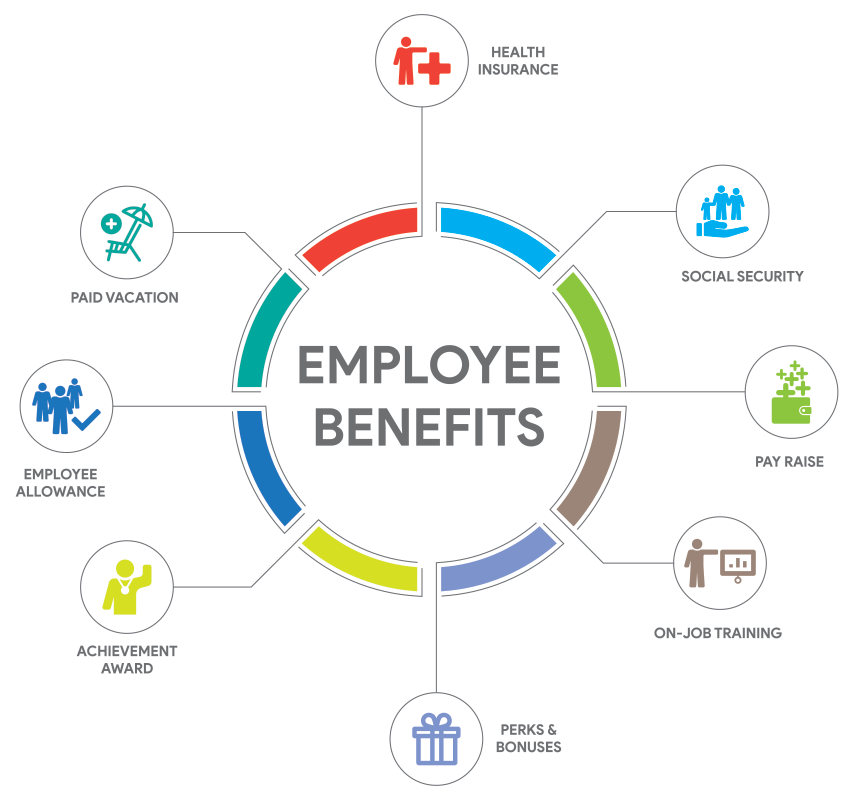
In the new world of work, it is essential to continuously enhance compensation plans to align with the emerging candidates’ needs and employees’ skills. Your compensation strategy should not only meet the legal standards but also foster a culture of recognition and growth. It is essential for hiring, retaining, and motivating top talent and for developing your employee value proposition.
When the workforce is motivated and incentivized, your business succeeds. It is one of the significant advantages of providing a comprehensive and appealing compensation package for employees. Here is how it supports your business:
- Hire Top Talent: A comprehensive compensation package makes job positions attractive to candidates, helping your organization hire the talent that suits the roles.
- Retain the Best Talent: An attractive compensation strategy inspires current employees to commit to the long term, reducing turnover and preserving institutional knowledge, thereby saving your company high costs.
- Boost Employee Morale: An appealing compensation package motivates your employees to perform at their best while developing a positive connection to the company.
- Achieve Pay Equity: Fair compensation makes the workforce feel good about the pay compared to the market.
Creating a satisfactory compensation package needs a thorough review of what your company can offer. It should show the full picture of the benefits that potential and existing employees receive when joining your organization. When this information is effectively communicated to them, it highlights your organization’s unique offering compared to competitors. This is essential, especially when job seekers are comparing multiple job offers.
Creating a Comprehensive and Attractive Compensation Package
A strong compensation package will foster a culture of appreciation and equality within the organization. When employees feel that they are being properly compensated, they feel better and more productive in their roles. Creating a comprehensive compensation package includes several steps, as highlighted below:
- Customize to Goals: The compensation strategy should vary depending on the company’s goals, which focus on development, turnaround, and business transformation.
- Align with Strategic Objectives: The compensation package should align with the organization’s strategic objectives. Misalignment can lead to unintended outcomes, such as prioritizing short-term profits at the expense of long-term risks.
- Select Suitable Metrics: Choose metrics that reflect the company’s strategy and current situation, and continuously review and adjust these metrics to maintain relevance.
- Define Specific Targets and Incentives: Create clear targets for goals and implement a payout curve that ensures flexibility and fairness in rewarding the workforce.
- Incorporate Business-wide Goals: Base compensation plans on achieving overall business targets, with necessary adjustments for individual performance.
- Adapt to Business Changes: Always be prepared to adjust compensation plans in response to changing business conditions, such as market fluctuations or internal challenges.
- Provide Alternative Incentives: Implement alternative forms of compensation, such as above-market cash compensation or cash rewards tied to collective performance metrics.
- Address Modern Challenges: Adjust compensation to meet current business challenges, focusing on areas such as employee well-being, safety, and company liquidity.
- Make Continuous Modifications: Regularly evaluate and adjust the compensation plan to ensure it aligns with all stakeholders’ interests and supports evolving business strategies.
Conclusion
Creating an effective compensation package involves more than just setting employee salaries. It requires aligning compensation and benefits with business objectives, finding the right balance between immediate and long-term rewards, and ensuring legal compliance. A well-designed compensation plan not only attracts top talent but also addresses employees’ needs. By keeping the strategy current and tailoring it to different roles, organizations can build a skilled, motivated, and satisfied workforce.

Frequently Asked Questions (FAQs)
A compensation package includes an employee’s salary, bonuses, benefits, paid time off, retirement plans, and other rewards offered by an employer.
A competitive compensation package helps attract skilled candidates, improve employee satisfaction, and increase retention.
A compensation package should include base pay, performance incentives, health benefits, retirement plans, paid leave, and flexible work options.
Employers should review compensation packages regularly to stay competitive, support pay equity, and align with changing business and workforce needs.
HR software helps automate compensation planning, track employee performance, manage salary reviews, and ensure fair and consistent pay decisions.