
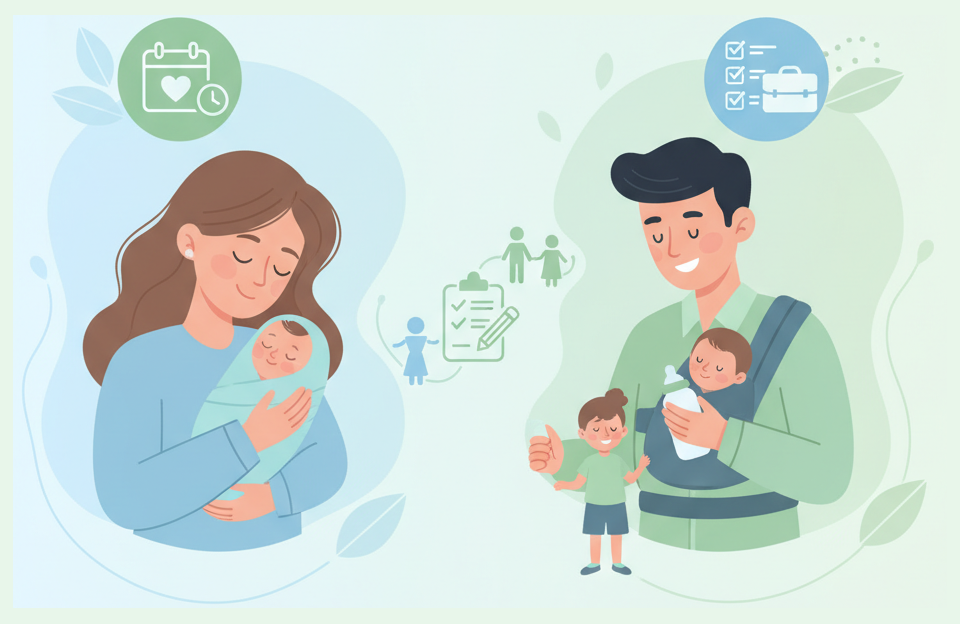
Imagine this: Emma, a project manager at a mid-sized tech firm, just gave birth to her first child. She’s excited, overwhelmed, and trying to figure out how much time she can take off—and what kind of leave she’s eligible for. Her partner, Jason, wants to support her and be home with their newborn, too. But he wonders, “Do I qualify for leave as well? Is it paternity, parental, or something else entirely?”
This scenario is more common than you think. Yet, confusion persists between parental leave, maternity leave, and even paternity leave. With evolving workplace norms and increasing advocacy for inclusive benefits, it’s time to break down these terms and what they really mean—especially in the U.S., where policies vary widely by employer and state.
Understanding Maternity Leave
What Is Maternity Leave?
Maternity leave refers specifically to the leave a birthing mother takes around the time of childbirth. It’s intended to allow recovery from delivery and bonding with a new baby.
Who Is Eligible for Maternity Leave?
Under the Family and Medical Leave Act (FMLA), eligible employees may take up to 12 weeks of unpaid leave per year for qualifying medical and family reasons, including childbirth. To qualify, an employee must:
- Have worked for their employer for at least 12 months
- Have clocked at least 1,250 hours in the past year
- Work at a location where the company employs 50+ people within 75 miles
Many companies, however, go beyond the FMLA minimums. The average paid maternity leave in the U.S. is around 10 weeks, though this varies significantly by state and employer. Some states, like California, New York, and Rhode Island, offer partial wage replacement for new mothers through paid family leave programs.
How Long Is Maternity Leave?
The length of maternity leave can range from 6 to 16 weeks, or longer, depending on medical complications and employer policy. Some employers provide a combination of paid leave, short-term disability, and unpaid FMLA.
What Is Parental Leave?
Parental leave is a broader term that encompasses maternity, paternity, and adoption leave. It applies to both parents and is intended to allow time to bond with a new child—biological, adopted, or fostered.
Types of Parental Leave
- Bonding Leave: Available to both parents post-birth or adoption
- Adoption/Foster Leave: Supports bonding with a newly placed child
- Shared Parental Leave: While not common in the U.S., some policies allow parents to divide leave time
Offering equitable parental leave is becoming a competitive edge for companies looking to attract and retain talent. Organizations that provide gender-neutral parental leave benefit from higher employee satisfaction and stronger workplace equity.
Benefits of Parental Leave
- Encourages family bonding for all parents
- Reduces workplace burnout
- Improves employee retention and engagement
- Demonstrates commitment to inclusion and diversity
Parental Leave vs Maternity Leave: A Side-by-Side Comparison
| Feature | Maternity Leave | Parental Leave |
| Who it’s for | Birth mothers only | Any parent (biological, adoptive, foster) |
| Purpose | Recovery + bonding | Bonding and caregiving |
| FMLA Coverage | Yes | Yes (if eligibility met) |
| Duration | 6–12+ weeks | Up to 12 weeks (FMLA) |
| Paid? | Sometimes, varies by state | Varies by employer/state |
| Inclusive? | No | Sometimes, varies by state. |
What About Paternity Leave?
What Is Paternity Leave?
Paternity leave is a subset of parental leave, intended for fathers or non-birthing partners to care for and bond with a new child.
How Long Is Paternity Leave?
Under FMLA, fathers may also take up to 12 weeks of unpaid leave if they meet the same criteria as mothers. However, few companies offer paid paternity leave, and many fathers don’t take the full time due to cultural stigma or financial concerns. Only a handful of U.S. states mandate paid leave for both parents.
Why Paternity Leave Matters
- Builds an early parent-child bond
- Reduces pressure on mothers
- Normalizes caregiving roles
- Encourages gender equality in the workplace
Companies that offer equal paid leave for both parents are often seen as progressive and employee-friendly.
Simplify Leave Management with SutiHR
Navigating FMLA, maternity, parental, and paternity leave can be complex—especially for growing businesses. That’s where SutiHR can help.
SutiHR’s Leave of Absence Tracking makes it easy to:
- Monitor leave balances and eligibility
- Automate request and approval workflows
- Integrate with calendars and payroll
- Stay compliant with federal and state laws
Even better, SutiSoft’s new Talent Management Module supports employees beyond their time away. From return-to-work planning to performance reviews, this module helps HR teams create a seamless transition for employees and keep career growth on track.
Final Thoughts: Why Clarity Matters
Understanding the difference between maternity leave and parental leave is about more than policies—it’s about people. Clear, inclusive leave options are critical to attracting and retaining top talent, supporting working parents, and building a culture of care.
For Employers:
- Audit and update your leave policies
- Ensure equity between maternity, paternity, and parental leave
- Use HR tech like SutiHR to streamline leave administration
For Employees:
- Know your rights and benefits
- Ask questions and advocate for inclusive policies
- Plan your time away with clarity and confidence
Leave isn’t just a benefit—it’s a signal of support. Make sure your organization is sending the right message.
Frequently Asked Questions (FAQs)
No. Maternity leave is specifically for birth mothers to recover and bond with their child. Parental leave is a broader, inclusive term that can apply to any parent, including adoptive and foster parents.
Yes, both parents can take up to 12 weeks of unpaid leave under FMLA if they meet the eligibility requirements. However, if they work for the same employer, their combined leave may be limited to 12 weeks.
Not typically. While a few states and some employers offer paid paternity leave, most fathers must rely on unpaid FMLA or use vacation/PTO.
Employers can create a unified parental leave policy that applies equally to all parents, regardless of gender, and offer paid leave when possible. Leveraging tools like SutiHR also ensures consistency and compliance.
If an employee doesn’t meet FMLA criteria, leave options depend on company policy and state laws. Some states offer paid family leave regardless of FMLA eligibility. Employers may also offer additional leave benefits voluntarily.