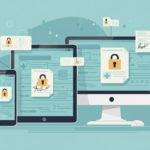
In a world where agreements are signed in seconds and business happens across borders, trust has become the real currency of digital transactions. eSignature software has moved from being a convenience to a mission-critical business tool, used for contracts, HR documents, financial approvals, healthcare forms, and more. But as organizations rely more heavily on digital signatures, one question keeps rising to the surface: How secure is the system behind the signature?
This is where SOC 2 Type II compliance enters the conversation. It’s not just a checkbox for auditors or a badge for websites, it’s a signal of maturity, accountability, and long-term reliability. For businesses evaluating eSignature platforms, SOC 2 Type II compliance can make the difference between confidence and hesitation.
This article breaks down what SOC 2 Type II really means, why it matters specifically for eSignature software, and how it impacts security, compliance, automation, and business trust.
The Trust Problem in Digital Signatures
Digital signatures are unassumingly simple. A document is uploaded, recipients are added, signatures are collected, and the deal is done. Behind that smooth experience, however, sits a complex ecosystem of data flows, access controls, identity verification, and audit trails.
Every signed document may include:
- Personal identifiable information (PII)
- Financial data
- Legal commitments
- Employment records
- Sensitive business intelligence
If this data is mishandled or worse, breached, the consequences are serious: regulatory penalties, legal disputes, reputational damage, and loss of customer trust. In an era of AI-driven threats and increasingly sophisticated cyberattacks, organizations can’t afford to rely on assumptions about security.
SOC 2 Type II exists to address exactly this gap.
What SOC 2 Type II Actually Means (Without the Legal Speak)
SOC 2 (Service Organization Control 2) is a compliance framework developed by the American Institute of Certified Public Accountants (AICPA). It evaluates how service providers manage and protect customer data.
SOC 2 Type II goes a step further than basic compliance.
- Type I evaluates whether security controls are designed correctly at a specific point in time.
- Type II evaluates whether those controls actually work consistently over time, typically across a 6 to 12-month period.
For eSignature software, SOC 2 Type II means:
- Security controls are not theoretical
- Processes are not one-time setups
- Protection mechanisms are continuously monitored, tested, and improved
In short, it proves that security and compliance are built into daily operations, not added as an afterthought.
Why SOC 2 Type II Is Especially Important for eSignature Software
Unlike traditional applications, eSignature platforms sit directly at the intersection of legality, identity, and trust. A signed document is often legally binding, time-sensitive, and highly sensitive.
Here’s why SOC 2 Type II matters more in this space than almost anywhere else.
Digital Signatures Are Legal Evidence
Signed documents are frequently used in audits, disputes, and court proceedings. Any weakness in how those documents are stored, accessed, or logged can compromise their validity.
SOC 2 Type II ensures:
- Tamper-resistant audit trails
- Secure document storage
- Controlled access to signed records
- Reliable timestamping and activity logs
This strengthens the legal defensibility of every signature.
Identity and Access Are Non-Negotiable
Modern eSignature platforms rely on automation, role-based routing, conditional workflows, and AI-driven approvals. But automation without strict access control is risky.
SOC 2 Type II validates that:
- User access is properly restricted
- Permissions are reviewed regularly
- Authentication methods are enforced
- Privileged access is monitored and logged
This ensures that only the right people can view, sign, or modify documents, at the right time.
Compliance Expectations Keep Increasing
Businesses today operate across regions, industries, and regulatory environments. While SOC 2 is not a law, it aligns closely with regulations like:
- GDPR
- HIPAA
- ISO 27001
Financial and procurement compliance standards.
Choosing a SOC 2 Type II–compliant eSignature platform reduces compliance friction and simplifies vendor risk assessments.
SOC 2 Type II and the Rise of AI-Powered eSignature Platforms
AI and automation are reshaping how agreements are created, reviewed, routed, and signed. Smart features like:
- Automated workflows
- Intelligent reminders
- Smart document tagging
- Predictive approval routing
These all depend on secure data handling.
SOC 2 Type II ensures that as AI capabilities expand, security doesn’t fall behind. It confirms that:
- AI-driven processes follow defined controls
- Data used by intelligent systems is protected
- Automated actions are logged and auditable
This balance between innovation and governance is critical for scalable, future-ready eSignature solutions.
Operational Reliability: The Hidden Benefit of SOC 2 Type II
SOC 2 Type II isn’t only about security, it also evaluates system availability and operational consistency.
For businesses, this translates to:
- Reliable uptime
- Stable performance during peak usage
- Disaster recovery and business continuity planning
- Reduced risk of service disruptions
When contracts are time-sensitive, delays can stall deals, payrolls, or onboarding. SOC 2 Type II helps ensure the platform is as dependable as it is secure.
Vendor Risk Management and Buyer Confidence
Procurement teams are no longer just price-focused. Vendor risk assessments now play a major role in purchasing decisions, especially for software handling sensitive data.
SOC 2 Type II compliance simplifies this process by:
- Reducing the need for lengthy security questionnaires
- Demonstrating proactive risk management
- Providing third-party validation of controls
For buyers, it builds confidence. For vendors, it accelerates deal cycles.
What Businesses Should Look for Beyond the Badge
SOC 2 Type II is important, but it shouldn’t exist in isolation. A truly secure eSignature platform also demonstrates:
- Transparent security practices
- Clear audit trails and reporting
- Strong encryption standards
- Continuous monitoring and improvement
- Smart automation without compromising control
Compliance should feel integrated, not imposed.
Where SutiSign Fits In
While SOC 2 Type II compliance sets the foundation, modern businesses also need agility, intelligence, and simplicity.
SutiSign is designed with this balance in mind, combining secure, SOC 2 Type II, aligned practices with AI-powered automation that simplifies document workflows. From intelligent routing to real-time tracking and audit-ready reporting, SutiSign helps organizations move faster without sacrificing trust.
It’s not just about signing documents, it’s about creating a secure, smart, and compliant agreement experience.
Conclusion
In the digital-first economy, a signature is only as strong as the system behind it. SOC 2 Type II compliance ensures that eSignature platforms don’t just promise security, they prove it, every day.
For businesses evaluating eSignature solutions, SOC 2 Type II is more than a technical requirement. It’s a signal of reliability, accountability, and long-term partnership.
As digital agreements continue to replace paper, trust will remain the most valuable element in every transaction.
If you’re looking for an eSignature solution that combines security, compliance, AI-driven automation, and operational reliability, it’s time to take a closer look.
Discover how SutiSign helps you sign smarter, faster, and more securely. Request a demo today!