In a world driven by digital transformation and financial agility, Accounts Payable (AP) is no longer the back-office function it once was. It’s evolved into a strategic force that influences cash flow, vendor relationships, and even compliance. As 2025 unfolds, organizations are rethinking how they manage payables—not just to save time, but to create value.
This article explores the top accounts payable trends in 2025, revealing how modern businesses are turning this once-overlooked department into a powerhouse of efficiency, insights, and innovation.
Why Accounts Payable Deserves the Spotlight
AP was traditionally viewed as a cost center—a necessary but manual process involving stacks of invoices, paper checks, and late payments. But with the rise of automation, remote work, global vendors, and tighter compliance regulations, AP has become a critical control point in financial operations.
Today’s finance leaders expect AP to:
- Streamline processes
- Reduce errors and fraud
- Improve vendor relationships
- Provide real-time financial data
Let’s dive into the major trends shaping the AP landscape in 2025.
1. End-to-End AP Automation
Automation isn’t just a buzzword anymore—it’s the new baseline. From invoice capture to payment approval and reconciliation, companies are investing in end-to-end AP automation tools.
Key features now expected include:
- AI-based invoice data extraction (no more manual entry)
- Touchless approvals with smart routing
- Auto-matching of POs, invoices, and receipts
- Automated payment scheduling and alerts
With tools like Suti accounts payable software, businesses can process invoices 2–3x faster, cut down on duplicate payments, and gain 360-degree visibility into liabilities. This means fewer errors, faster closes, and a huge boost in productivity.
2. Cloud-Native AP Platforms
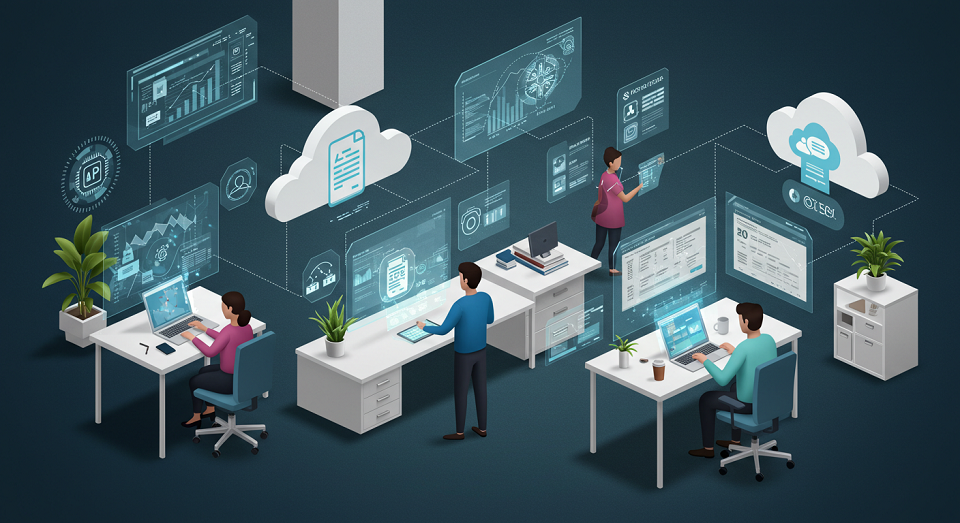
With remote and hybrid work models now the norm, companies are moving away from legacy on-premise systems. Cloud-native AP platforms provide:
- Anywhere access to invoices and workflows
- Scalability for growing businesses
- Seamless integration with ERPs and accounting tools
- Automatic updates for compliance and feature enhancements
This shift is helping teams stay connected, even across time zones, while keeping data secure and up-to-date.
3. Real-Time Analytics and Dashboards
Gone are the days when AP reports came in once a month. Finance teams now demand real-time insights to track spend, identify bottlenecks, and plan cash flow. Leading AP systems now offer:
- Customizable dashboards
- Spend trend analysis
- Aging reports
- Vendor performance tracking
This makes AP a strategic advisory unit, capable of influencing budgeting, forecasting, and even procurement decisions.
4. Vendor Self-Service Portals
Managing vendor relationships has become a strategic priority. One of the biggest friction points? Status inquiries. Where’s my payment? Has my invoice been approved?
To solve this, businesses are adopting vendor self-service portals that allow suppliers to:
- Submit invoices directly
- Track approval status
- Update banking and contact details
- Communicate with AP teams in real time
This reduces email clutter, improves transparency, and strengthens trust.
5. E-Invoicing Standardization
Thanks to global e-invoicing mandates, especially in regions like Europe, Asia, and Latin America, businesses are shifting to standardized digital invoices that comply with country-specific tax laws.
Benefits include:
- Faster invoice processing
- Easier audit trails
- Automated tax compliance
- Reduced risk of fraud
6. AI and Machine Learning in AP
Artificial Intelligence is now embedded in modern AP tools. It’s used for:
- Detecting anomalies or potential fraud
- Learning approval patterns and optimizing workflows
- Classifying expenses and invoices
- Predicting vendor behaviors or early payment discounts
AI helps move AP from reactive to predictive, transforming it into a data-rich decision engine.
7. Emphasis on Early Payment Discounts
With tighter liquidity and rising interest rates, organizations are revisiting early payment discount strategies. Modern AP tools:
- Alert teams about eligible early payment terms
- Recommend optimal payment timing
- Help negotiate better vendor contracts
The shift from passive payment to strategic cash management is a defining feature of modern AP.
8. Fraud Prevention and Compliance Monitoring
In an era of increasing cyber threats and regulatory scrutiny, AP fraud prevention is a top priority. Smart AP systems now offer:
- Two-factor approvals
- Audit trails and payment logs
- Vendor verification checks
- Role-based access controls
These safeguards not only protect against fraud but also make it easier to stay compliant with SOX, GDPR, and internal audit requirements.
9. Cross-Functional Collaboration
AP doesn’t operate in a silo anymore. It’s increasingly integrated with:
- Procurement (P2P process)
- Finance (budgeting and planning)
- IT (security and systems access)
- Compliance and audit teams
This cross-functional collaboration leads to greater transparency and control across the organization.
10. Embedded Payments and Fintech Integration
Modern AP platforms now offer embedded payments through partnerships with fintechs and banks. This includes:
- ACH, wire, and virtual card payments
- International remittances with FX optimization
- Payment status tracking
No more logging into multiple portals. Everything is centralized, secure, and traceable.
11. Mobile AP and Approvals on the Go
Executives and finance managers aren’t always at their desks—and modern AP solutions are built with that in mind. Mobile-friendly platforms now allow users to:
- Approve invoices via app
- Get push notifications for pending actions
- View reports or vendor details on the fly
This is especially useful for fast-paced organizations where speed and accessibility matter.
12. Sustainability and ESG Reporting
Companies are now required to measure and report on Environmental, Social, and Governance (ESG) metrics. AP systems are adapting by:
- Tagging payments for sustainability tracking
- Analyzing vendor environmental ratings
- Highlighting carbon-heavy purchases
Expect AP teams to collaborate with ESG officers and compliance teams to support transparent, ethical procurement.
How to Stay Ahead of the AP Curve
To future-proof your accounts payable operations, here are some strategic steps:
- Invest in end-to-end automation: Don’t settle for half-digital workflows. Go fully automated.
- Choose integration-friendly tools: Your AP solution should plug seamlessly into your ERP, CRM, and accounting platforms.
- Focus on experience: Both employees and vendors should find the AP process intuitive and transparent.
- Prioritize security: Choose tools with robust fraud detection, encryption, and compliance controls.
- Leverage data: Use analytics to identify savings, spot trends, and drive smarter policies.
The Role of SutiAP in the Modern AP Landscape
Solutions like SutiAP are leading the way by offering:
- Smart, automated invoice capture
- AI-powered validation and approval routing
- Vendor portals for better communication
- Seamless integration with ERP and payment systems
- Real-time dashboards and compliance tools
SutiAP empowers finance teams to be agile, accurate, and accountable, without the chaos of paper or manual bottlenecks.
Final Thoughts: AP as a Strategic Engine
Accounts payable is undergoing a remarkable transformation. Once seen as a cost center, it’s now becoming a strategic hub for financial control, operational efficiency, and business intelligence.
By embracing these trends and modern technologies, organizations can:
- Improve vendor relationships
- Unlock working capital
- Enhance compliance
- And drive long-term growth
As 2025 unfolds, it’s clear: The future of AP is digital, data-driven, and deeply strategic.