
In today’s digital world, businesses are always looking for smarter ways to work – cutting costs, saving time, and creating better experiences for their customers. One area seeing major change is how we handle document signing and payment processing. Paper-based processes are quickly being replaced by modern eSignature platforms that seamlessly connect with ePayment systems and use AI for fast, secure identity checks.
But it’s not just about making things easier – it’s about enhancing security, staying compliant, and growing with confidence. Whether you’re running a small business or managing a large enterprise, knowing how these platforms work together can give you a real advantage in today’s competitive landscape.
Let’s explore how eSignatures, ePayments, and AI-powered verification are shaping the future of digital agreements.
What are eSignatures?
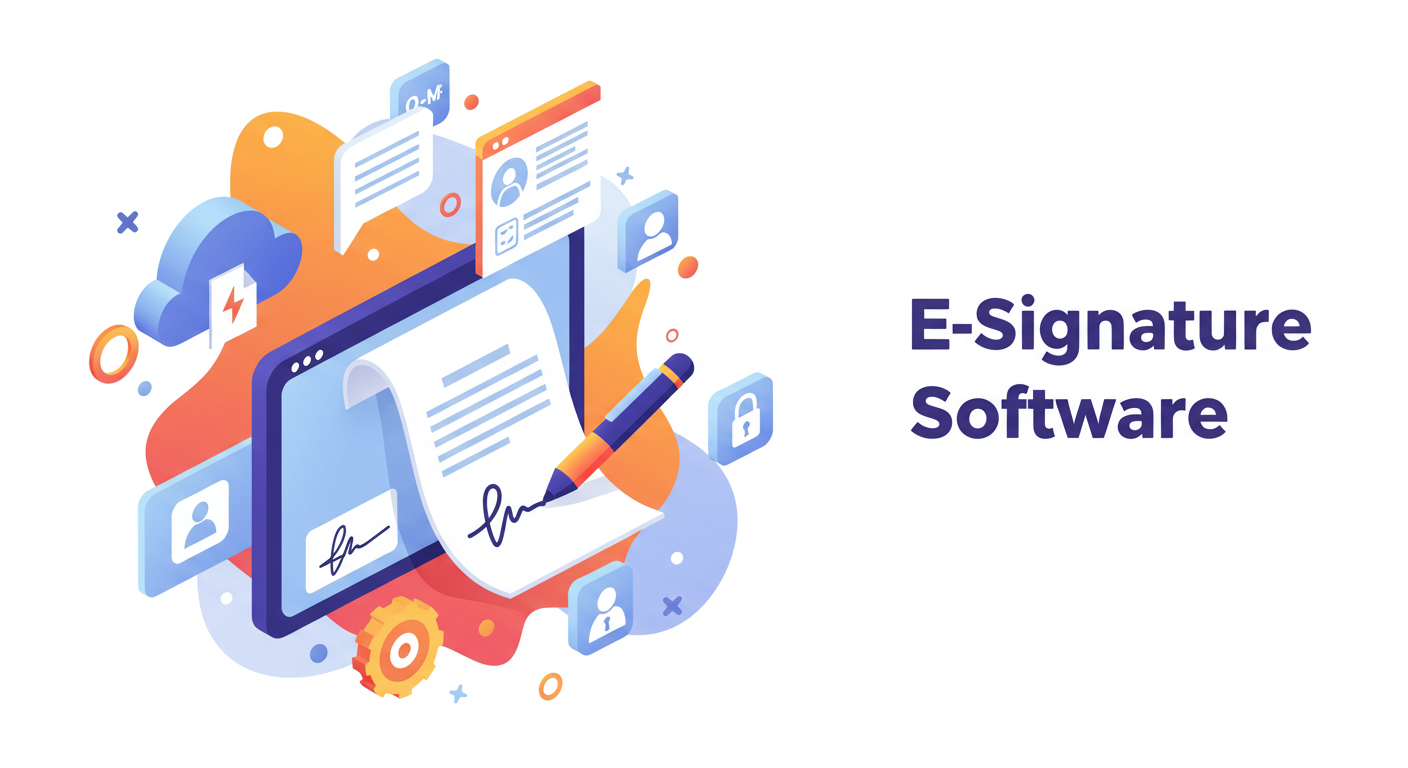
An electronic signature is a legally binding way for individuals and organizations to sign documents without using pen and paper.eSignatures are now widely accepted across industries, from real estate and healthcare to finance and HR, and are supported by laws such as the U.S. ESIGN Act, the EU’s eIDAS regulation, and similar frameworks globally.
eSignature platforms allow users to upload documents, add signature fields, send them to signers, and collect signatures – all within minutes.
Why eSignatures Are Essential for Modern Businesses
Speed and Efficiency:
Gone are the days of printing, scanning, faxing, and mailing documents. With online eSignature software, contracts can be signed and returned in seconds – no matter where the parties are located.
Better Cost Savings:
Businesses save money on printing, postage, and physical storage. Plus, automation reduces administrative overhead.
Advanced Security:
eSignatures are more secure than handwritten ones. Most platforms use encryption, audit trails, and tamper-evident seals to protect document integrity.
Legal Validity:
As long as they meet regulatory requirements, eSignatures are legally enforceable and admissible in court.
Integration Capabilities:
Modern eSignature systems integrate seamlessly with CRM systems like Salesforce and cloud storage services like Google Drive and Dropbox.
Electronic Signatures and ePayment Integration
While eSignatures have streamlined the signing process, the next step in digital transformation is integrating ePayment capabilities directly into the workflow.
What is ePayment Integration?
ePayment integration allows users to not only sign documents but also make or receive payments at the time of signing. This feature is mainly useful in scenarios such as:
- Signing service agreements that require upfront payments
- Closing real estate deals with earnest money deposits
- Processing loan applications with down payments
- Collecting fees during onboarding processes
By combining eSignatures with ePayments, businesses eliminate the need for separate systems, reduce delays, and create a seamless end-to-end experience.
Benefits of ePayment Integration
Faster Transactions: Payments are collected immediately upon agreement execution.
Smooth Integration: Eliminates the need to switch between multiple platforms.
Automated Accounting: Payments can be automatically recorded in accounting systems like QuickBooks or Xero.
Improved Cash Flow: Reduces delays in receiving payments due to manual invoicing and follow-ups.
The Rise of AI-Powered Signer Verification and Authentication
As more businesses move to digital signatures, the risk of fraud, identity theft, and unauthorized access is also growing. That’s where AI-powered signer verification and authentication step in to add a crucial layer of security.
What Is AI-Powered Signer Verification?
AI-powered verification uses smart algorithms and machine learning to confirm that the person signing a document is really who they say they are.Instead of relying on a single method, it checks multiple factors, such as:
- Facial recognition through a webcam or smartphone camera
- Signature pattern analysis using biometrics
- Voice recognition
- Behavioral patterns like typing speed or mouse movements
- Knowledge-based questions (KBA) only the signer would know
By combining these layers, the system ensures that even if one method fails or is bypassed, others are there to catch it, making the signing process not only easier but far more secure.
Why It Matters for Security and Compliance
Regulated industries like banking, insurance, and healthcare must comply with strict identity verification standards. For example:
- Know Your Customer (KYC) regulations in financial services
- HIPAA compliance in healthcare
- 21 CFR Part 11 in FDA-regulated industries
- Anti-Money Laundering (AML) protocols
AI verification helps meet these requirements while maintaining a smooth user experience.
Applications of AI Verification in eSignature Platforms
Remote Online Notarization (RON)
AI is increasingly used in RON platforms to verify identities during virtual notarizations. This has become especially important since the pandemic accelerated the demand for remote legal services.
Loan Origination
Banks and fintech companies use AI to authenticate borrowers applying for loans online, ensuring both legal compliance and fraud prevention.
Healthcare Consent Forms
Hospitals and clinics are digitizing patient consent forms and using AI to confirm the identity of patients before accepting their electronic consent.
Real Estate Transactions
Buyers and sellers can complete property transactions remotely, with AI verifying identities and confirming intent – making the entire process faster and safer.
Latest Trends in eSignature and Digital Agreements
As we look to the future, several trends are poised to shape the evolution of digital agreements:
Greater Use of Biometrics:
From fingerprint scans to voice recognition, biometric verification will become standard in high-security environments.
Blockchain for Immutable Records:
Some platforms are experimenting with blockchain to create tamper-proof records of digital signatures and transactions.
Increased Automation with AI Assistants:
AI will not only verify identities but also assist in drafting documents, suggesting clauses, and managing workflows.
Expansion into Emerging Markets:
As internet penetration grows, eSignature solutions are becoming accessible to businesses in regions previously reliant on paper-based processes.
More Seamless User Experiences:
Expect smoother, more personalized interfaces that guide users through the signing and payment process with minimal friction.
Conclusion
The combination of eSignatures, ePayments, and AI-powered verification is reshaping how businesses function in the digital age. These technologies don’t just make things faster – they help cut costs, boost security, meet compliance needs, and improve the overall user experience.