A fast-growing startup once spent over three months trying to hire just one software developer. They sorted through 200+ resumes, held tons of interviews, and still ended up with a hire who quit in less than two months. Sound familiar?
You’re not alone. According to SHRM, the average time it takes to fill a job is 36 days. And a bad hire? That can cost up to 30% of their first-year salary. In today’s fast-paced job market, slow and outdated hiring methods just don’t cut it.
That’s where AI steps in. It’s not just about automation — AI helps companies find the right candidates faster, make better hiring decisions, and deliver a smoother experience for everyone involved.
Key Takeaways
If you’re short on time, here are the main points from this article:
- AI is making hiring faster and smarter. It helps recruiters screen resumes, match candidates to jobs, and automate repetitive tasks.
- Companies using AI can hire 30–40% faster and improve the quality of candidates they bring in.
- AI doesn’t replace people — it supports them. It frees up time so HR teams can focus on strategic, human-centered parts of hiring.
- It reduces bias (when used properly). AI can help create fairer, more inclusive hiring processes — but only if trained on unbiased data.
- There are challenges to watch out for, like data privacy, integration, and making sure candidates trust the process.
- The future of hiring is data-driven, efficient, and candidate-friendly. And AI is leading the way.
Understanding AI’s Role in Talent Acquisition
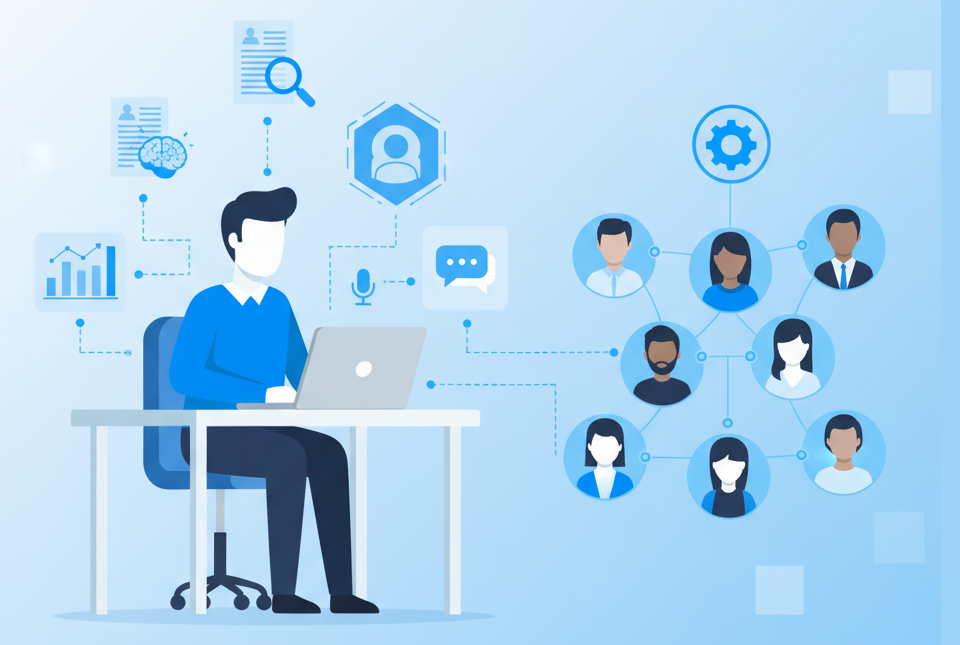
So, what does AI actually do in hiring? In simple terms, it helps recruiters work smarter. AI tools can scan resumes, match candidates to job descriptions, answer questions through chatbots, and even predict how well someone might perform in a role. It uses data and smart algorithms to handle tasks that would take a human hours in just seconds.
AI isn’t here to replace recruiters. It’s here to help them focus on the human side of hiring: building relationships, asking great interview questions, and choosing the best fit for the team.If you’re evaluating tools, start with the key features of recruiting software so you know what actually moves the needle.”
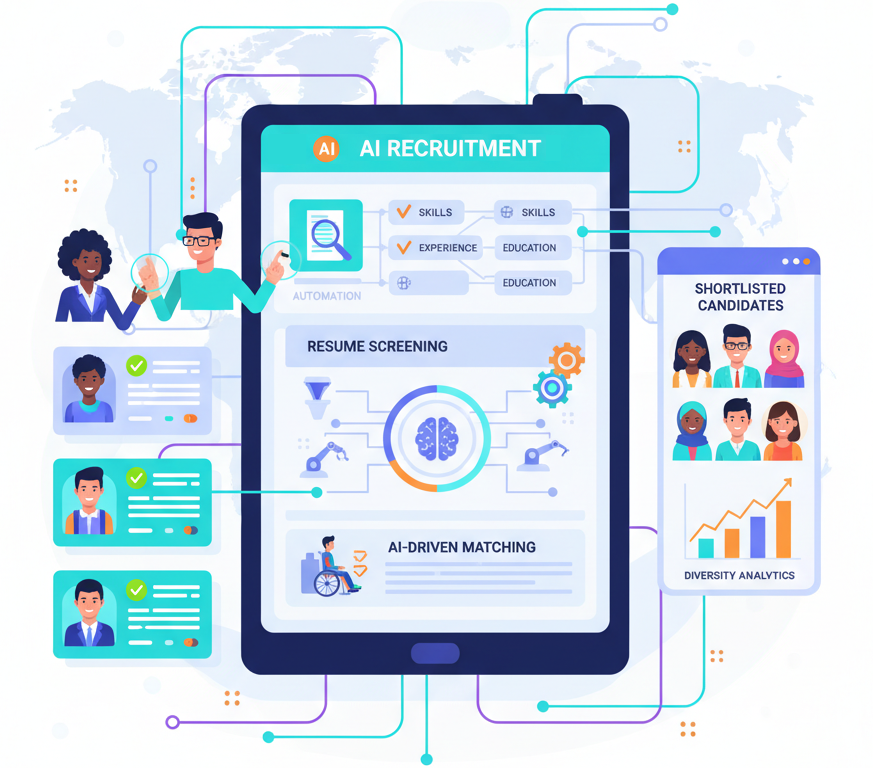
See AI-Powered Hiring in Action
Ready to streamline your recruitment process and make smarter hiring decisions?
Key Ways AI is Transforming Talent Acquisition
Hiring used to be all about gut feelings and manual work. Now, AI is changing the game. It’s helping companies find better candidates, cut down on busywork, and make hiring decisions backed by real data. Here’s how it’s making a difference:
Did You Know?
Companies that use AI for talent acquisition see a 30–40% drop in time-to-hire and a 20% jump in recruiter productivity, according to Deloitte.
1. Smarter Resume Screening
AI can scan hundreds of resumes in seconds, pulling out the most relevant ones based on skills and experience. No more wasting hours on unqualified applications.
2. Better Job Matching
Instead of just looking for keywords, AI compares job descriptions to a candidate’s background and predicts who’s most likely to succeed in the role. Paired with the right recruitment software for hiring and retention, those AI insights help teams hire and develop high-skilled employees faster.
3. Proactive Candidate Sourcing
AI can search job boards, social media, and databases to find candidates — even the ones who aren’t actively job hunting.
4. AI Chatbots for Communication
Need to answer candidate questions or schedule interviews? AI chatbots can handle that, keeping applicants in the loop and saving your team time.
5. Predictive Hiring Insights
With historical data, AI can forecast things like how likely someone is to accept an offer or how long they might stay in the role.
6. Less Bias, More Fairness
By focusing on data and anonymized screening, AI can help reduce bias and promote more equitable hiring practices.
Benefits of Using AI in Talent Acquisition
Hiring today isn’t what it used to be. There are more applicants, more competition, and higher expectations from candidates. That’s why more companies are turning to AI to make the process easier and smarter. Instead of spending hours sorting through resumes or chasing down interview times, AI takes care of the repetitive stuff so recruiters can focus on what matters — finding the right people. It helps you move faster, make better decisions, and create a smoother experience for everyone involved. Whether you’re a small team or a large organization, AI can save you time, reduce costs, and help you build a stronger, more successful workforce.
- Faster Hiring: Spend less time on repetitive tasks and more time connecting with candidates.
- Lower Costs: Fewer hours spent = money saved.
- Better Candidate Matches: AI helps find people who are actually right for the job.
- Stronger Candidate Experience: Quick updates, timely communication, and less waiting around.
- Data-Driven Decisions: No more guesswork — just real, actionable insights.
If you’re formalizing your tech stack, an applicant tracking solution is a simple way to plug AI into everyday workflows and actually streamline the recruitment process.
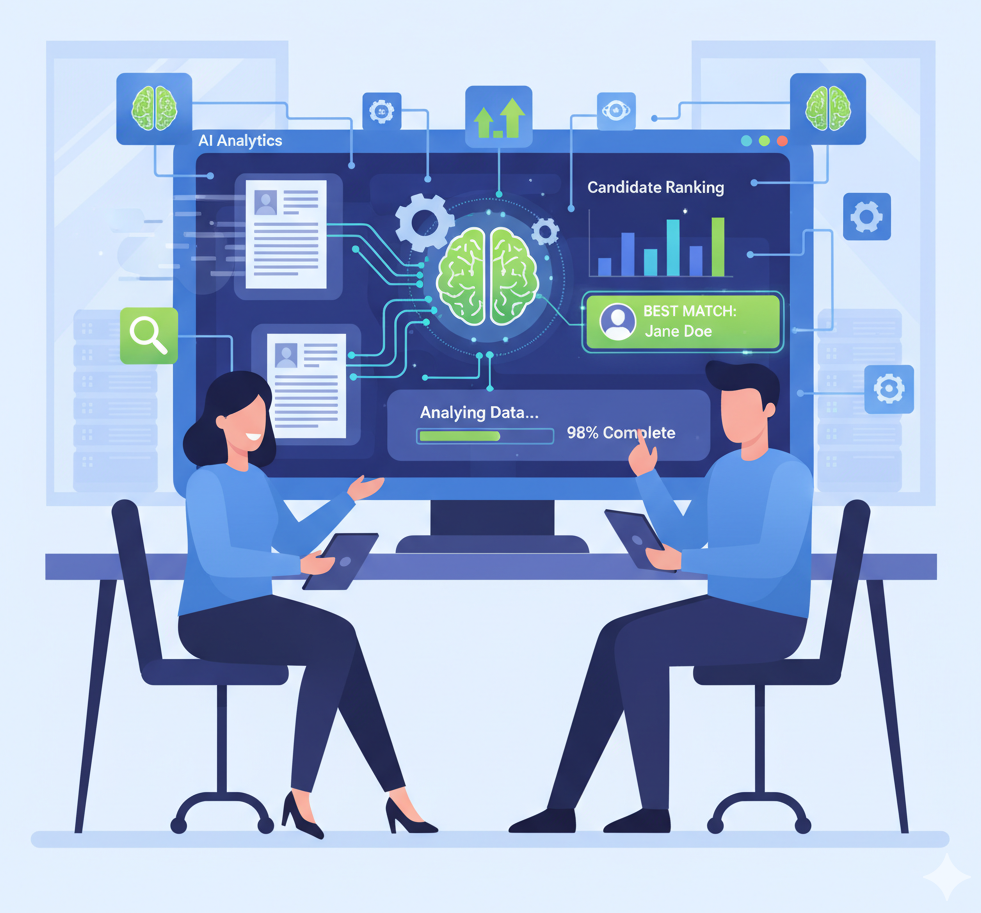
Experience the Power of AI-Driven Hiring
Want to try it yourself? Start your free trial and see how AI can simplify your hiring process.
Challenges to Consider
Here’s a quick look at the most common challenges companies face when using AI in hiring:
- AI tools need to follow strict privacy laws (like GDPR, CCPA, and EEOC).
- Bias in training data can lead to biased results — even with AI.
- AI can’t replace human insight, especially when it comes to culture fit.
- Some tools may require time, training, or IT support to get started.
- Candidates may be skeptical if they don’t know how AI is being used.
AI is a powerful tool in hiring, but it’s not without its challenges. Like any technology, it works best when used thoughtfully — and with human oversight. Here are a few things to keep in mind before diving in:
Data Privacy and Compliance
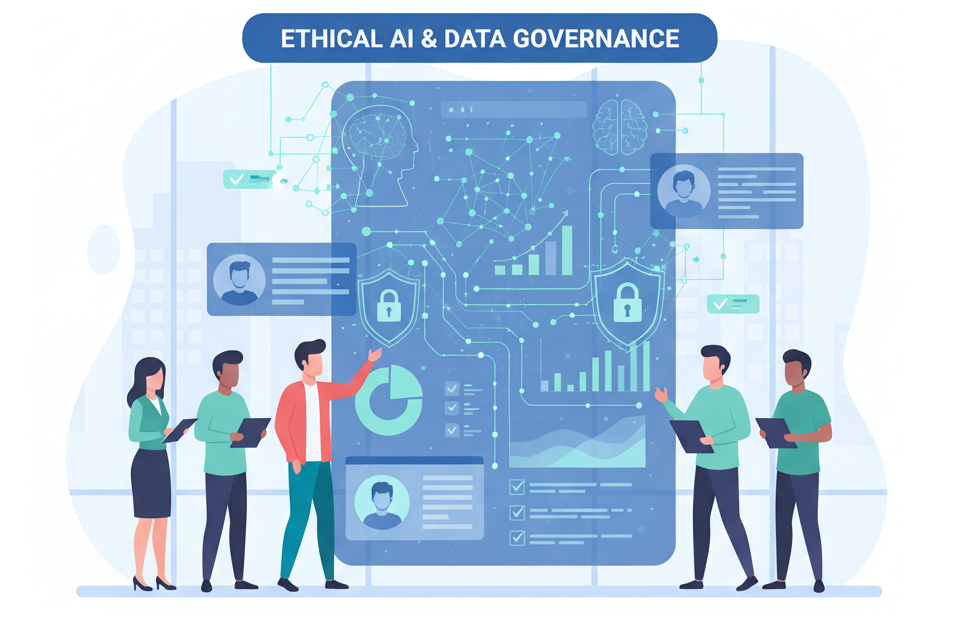
AI hiring tools rely on a lot of personal data — resumes, application forms, even video or voice interviews. That means you’ll need to make sure everything is handled securely and follows privacy laws like GDPR, CCPA, or EEOC guidelines. If your AI solution doesn’t meet compliance standards, it could put your company at legal risk. Always check that the vendor follows best practices in data storage, encryption, and consent.
Bias in, Bias Out
One of the biggest promises of AI is reducing human bias — but here’s the catch: if the data it’s trained on is biased, the results will be too. For example, if a company’s past hiring favored a certain demographic, AI might unintentionally prioritize similar candidates. That’s why it’s so important to regularly audit your AI tools, ask vendors about their training data, and combine AI with inclusive hiring practices.
It’s Still Not Human
AI can analyze data and make predictions — but it doesn’t understand company culture, personality fit, or human nuance. It can miss things that a good recruiter would catch, like someone’s passion, soft skills, or potential to grow. AI should be a support tool, not the final decision-maker. The best results come when technology and human judgment work together.
Integration and Learning Curve
Most AI tools are built for easy setup, but there can still be a learning curve — especially if your HR team isn’t super tech-savvy. Some systems might need training, updates, or integration with your existing HR software. Make sure the tool you choose offers solid support and onboarding so your team can hit the ground running.
Candidate Trust and Transparency
Job seekers are becoming more aware of AI in the hiring process. Some may feel uncomfortable if they don’t know how their application is being evaluated. Being transparent about where and how AI is used — especially in communications or screening — can build trust and improve the candidate experience.
Quick Tip:
Before choosing an AI hiring tool, double-check that it’s compliant with EEOC, GDPR, or other applicable hiring regulations. It’s worth the extra step.
The Future of AI in Talent Acquisition
AI in hiring is only getting better — and faster than many expect. We’re already seeing tools that do more than just screen resumes or send automated messages. The future will bring AI systems that can analyze voice tone and body language during video interviews, detect soft skills like adaptability or empathy, and even recommend personalized career paths for candidates based on their experiences and goals.
We’ll also see deeper integration between AI and workforce planning. Predictive analytics will be able to forecast talent gaps months in advance, helping HR leaders proactively recruit or train from within. AI may also begin to support onboarding and internal mobility, ensuring new hires are not only a great fit, but are continuously growing within the organization.
And just as importantly, we can expect more transparency and ethical standards around how AI makes decisions. Candidates will demand it, and businesses will need it to build trust and stay compliant.
The companies that start using AI now will be ahead of the curve — with stronger teams, better data, and a hiring process that’s built for the future.
Need More Details?
Download our product sheet to explore AI-powered recruitment features and benefits in detail.
Conclusion
AI is reshaping the way organizations attract, evaluate, and hire talent. From faster screening to smarter decision-making, it’s helping HR teams work more efficiently while improving the experience for candidates. But like any tool, it works best when paired with thoughtful strategy and human insight. By embracing AI now and staying mindful of its challenges, companies can build hiring processes that are not only faster and fairer but also future-ready.
Frequently Asked Questions (FAQs)
It takes care of time-consuming tasks like screening resumes, finding candidates, and scheduling interviews — helping recruiters focus on making the right call.
It can, especially when used to remove names or other identifying info from resumes. But it’s important to make sure the AI is trained on fair, unbiased data.
Resume parsing, candidate matching, chatbots, predictive analytics, and sourcing automation are a few of the big ones.
Most modern tools are built to be easy to use and integrate with your current systems. No major IT overhaul needed.
Faster responses, personalized job recommendations, and less time wondering where they stand in the process.

Sarah Monreal is an HR professional with over 10 years of experience spanning small businesses to enterprise environments. She has led People Operations as an HR Specialist, HR Manager, and Director of HR. She has successfully overseen multiple HR systems implementations, guiding organizations through vendor selection, process mapping, data migration, configuration, and change management to ensure successful adoption and measurable ROI.
Sarah holds MBAs in Human Resources Management and in Arbitration & Dispute Resolution, and completed all but dissertation toward a PhD in HR Management.
Before beginning her HR career, Sarah served four years in the United States Navy and was honorably discharged.