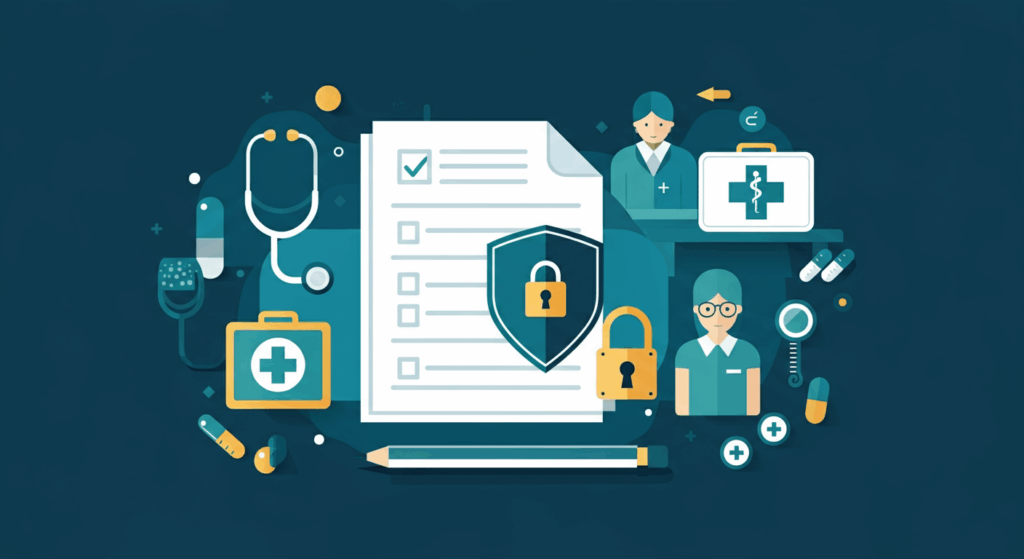
In today’s fast-paced healthcare environment, efficiency and security are non-negotiable. Administrative processes, patient onboarding, and document management are all critical components of modern healthcare, yet they often involve heavy paperwork. Electronic signatures have emerged as a transformative solution, allowing healthcare organizations to streamline workflows while maintaining compliance. However, not all eSignature applications meet the rigorous requirements of healthcare compliance.
For healthcare providers, HIPAA compliance is essential. Protecting sensitive patient information is not just a regulatory requirement, it’s a trust factor that supports patient relationships. This is where HIPAA-compliant eSignature platforms like SutiSign come in, offering a secure, efficient, and user-friendly way to manage digital signatures and documentation in healthcare sector.
Why HIPAA Compliance Matters for eSignatures
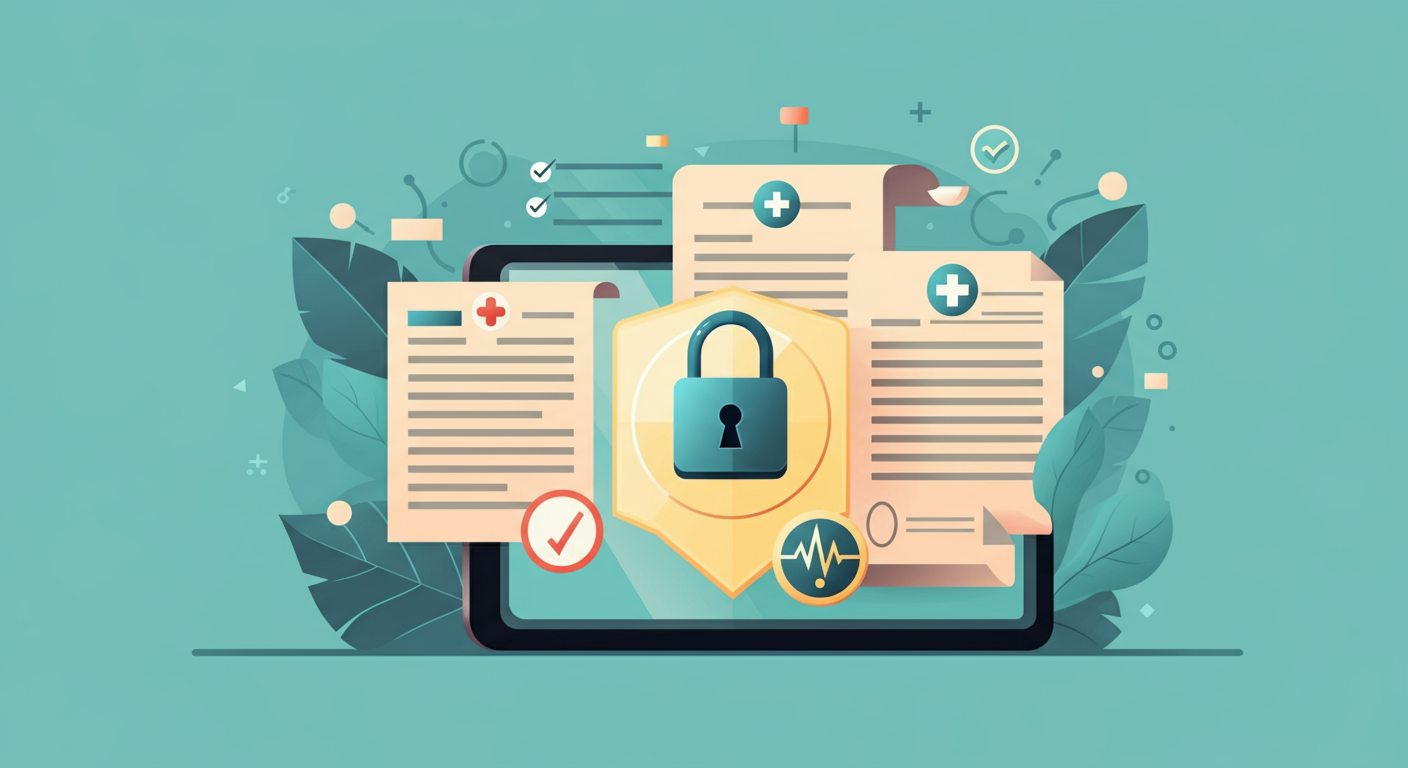
The Health Insurance Portability and Accountability Act (HIPAA) establishes strict standards for protecting patient data. Healthcare organizations must comply to ensure patient privacy and avoid costly penalties. When it comes to electronic signatures, HIPAA compliance is about more than just legal protection, it’s about safeguarding sensitive health information at every step.
An eSignature is HIPAA-compliant when it guarantees the confidentiality, integrity, and traceability of patient information. Core aspects include:
- Identity Verification: Ensuring only authorized individuals can sign and access documents.
- Document Integrity: Guaranteeing that signed documents cannot be altered without detection.
- Audit Trails: Maintaining detailed logs of all actions on a document for accountability.
Solutions like SutiSign incorporate these safeguards, aligning digital signature processes with HIPAA standards. This allows healthcare organizations to confidently digitize workflows without compromising security.
Key Elements of a HIPAA-Compliant eSignature
To understand why solutions like SutiSign are vital, it’s important to recognize what makes an eSignature HIPAA-compliant:
- Authentication of Signers: Ensuring the identity of every signer is critical. Multi-factor authentication (MFA) adds an extra layer of security, reducing the risk of unauthorized access.
- Document Integrity: A compliant eSignature must prevent any post-signature alterations. This guarantees that the document remains legally valid and trustworthy.
- Comprehensive Audit Trails: Keeping a detailed record of all signing activities ensures transparency and accountability. It allows organizations to track who signed, when, and from which device or location.
By incorporating these features, SutiSign ensures that healthcare organizations not only meet regulatory standards but also maintain operational integrity and trust with patients.
Benefits of eSignatures in Healthcare
Electronic signatures are more than a convenience, they transform healthcare workflows. Here’s how:
- Automated Workflows: Traditional paperwork slows down patient onboarding, insurance processing, and internal approvals. eSignatures automates these processes, reducing delays and administrative burden.
- Enhanced Data Security: Digital signatures are encrypted and securely stored, protecting sensitive patient information from unauthorized access or data breaches.
- Legal Validity: Electronic signatures hold the same legal weight as handwritten signatures under the E-SIGN Act and UETA. This provides assurance for both patients and healthcare providers.
- Environmental Impact: Reducing paper usage helps healthcare organizations contribute to sustainability goals. Less paper means lower waste and a smaller environmental footprint.
By implementing solutions like SutiSign, healthcare organizations can enjoy faster, more secure, and environmentally responsible documentation processes – all while maintaining legal compliance.
How SutiSign Ensures Secure and Compliant eSignatures
Healthcare organizations face unique challenges that generic eSignature solutions cannot always address. SutiSign offers features specifically designed for this sector:
- Customizable Workflows: Tailor eSignature processes to match organizational needs, ensuring efficiency without sacrificing compliance.
- Multi-Factor Authentication: Strengthen document security by confirming the identity of signers before access is granted.
- Detailed Audit Trails: Track every action performed on a document, supporting accountability and regulatory compliance.
- Real-Time Tracking and Notifications: Stay updated on signing status, preventing delays in patient care or administrative processes.
- Integration Capabilities: SutiSign works seamlessly with electronic health record (EHR) systems, billing software, and other healthcare platforms.
By leveraging these tailored features, healthcare providers can focus more on patient care and less on administrative bottlenecks.
Practical Use Cases in Healthcare
SutiSign enhances efficiency across a variety of healthcare workflows. Key applications include:
- Patient Consent Forms: Collect signatures quickly while ensuring compliance with HIPAA.
- Medical Records Updates: Digitally sign and manage records securely, eliminating paper delays.
- Staff Agreements: Onboard and manage employee contracts efficiently.
- Billing and Insurance Documents: Streamline approvals and signatures, reducing administrative time.
These use cases show how HIPAA-compliant eSignatures improve operational efficiency and maintain trust between healthcare providers and patients.
Seamless Adoption and Integration
Transitioning to SutiSign is designed to be smooth. The platform integrates easily with existing healthcare systems, reducing disruption and minimizing downtime. Steps for successful adoption include:
- Workflow Evaluation: Identify areas where digital signatures can streamline processes.
- Staff Training: Educate healthcare professionals on security protocols and eSignature features.
- Monitor Transition: Track implementation, adjust workflows, and ensure smooth adoption.
Healthcare organizations that follow these steps can quickly realize the benefits of secure, HIPAA-compliant eSignatures.
Best Practices for Implementing HIPAA-Compliant eSignatures
Implementing eSignatures in healthcare requires more than just software, it demands planning and adherence to best practices:
- Regular Training: Keep staff updated on HIPAA regulations and eSignature protocols.
- Clear Protocols: Establish defined procedures for when and how eSignatures are used.
- Security Monitoring: Continuously review and update security measures to prevent breaches.
Following these guidelines ensures that sensitive patient data remains protected while optimizing workflow efficiency
Conclusion
The future of healthcare depends on secure, efficient, and compliant digital processes. HIPAA-compliant eSignatures, like those offered by SutiSign, are essential to this transformation.
As technology continues to evolve, secure eSignatures will become an indispensable part of modern healthcare. Organizations that embrace these tools today are better positioned to improve patient care, enhance operational efficiency, and maintain trust in a data-driven healthcare environment.
With AI-powered eSignature software like SutiSign, healthcare providers can confidently move toward a digital future, where documentation is secure, compliant, and seamless – empowering staff to focus on what truly matters – patient care.
Try SutiSign and streamline your eSignature workflows while staying HIPAA-compliant – schedule your demo now!
Frequently Asked Questions About HIPAA-Compliant eSignatures
Healthcare providers often have questions regarding eSignatures. Some common queries include:
They authenticate signers, protect document integrity, and maintain audit trails.
Yes, they hold the same weight as handwritten signatures under U.S. law.
Through encryption, access controls, audit trails, and real-time tracking.
Absolutely – digital signatures significantly reduce paper usage, saving time and costs.
Yes, most solutions (like SutiSign) are designed for seamless integration with EHRs, billing systems, and other platforms.
Clear answers to these questions help healthcare organizations adopt digital solutions confidently.