Long gone are the days when you completed the initial 12 years of education, received your diploma, and went to a 4-year college. Once completed, you could get a decent-paying job with growth potential. In today’s ever-changing, technology-driven world, continuous learning is a requirement. When organizations focus on their employees’ growth and development, they can stay competitive in today’s world. With all the other information and metrics an organization must stay on top of, one tool that can help streamline employee development is a Learning Management System (LMS). LMS platforms are no longer simple online courses that an employee can complete. They have advanced into intelligent systems that drive knowledge, skill development, and employee performance.
Let’s explore the benefits, key features, and the future of Learning Management Systems.
What is a Learning Management System (LMS)?
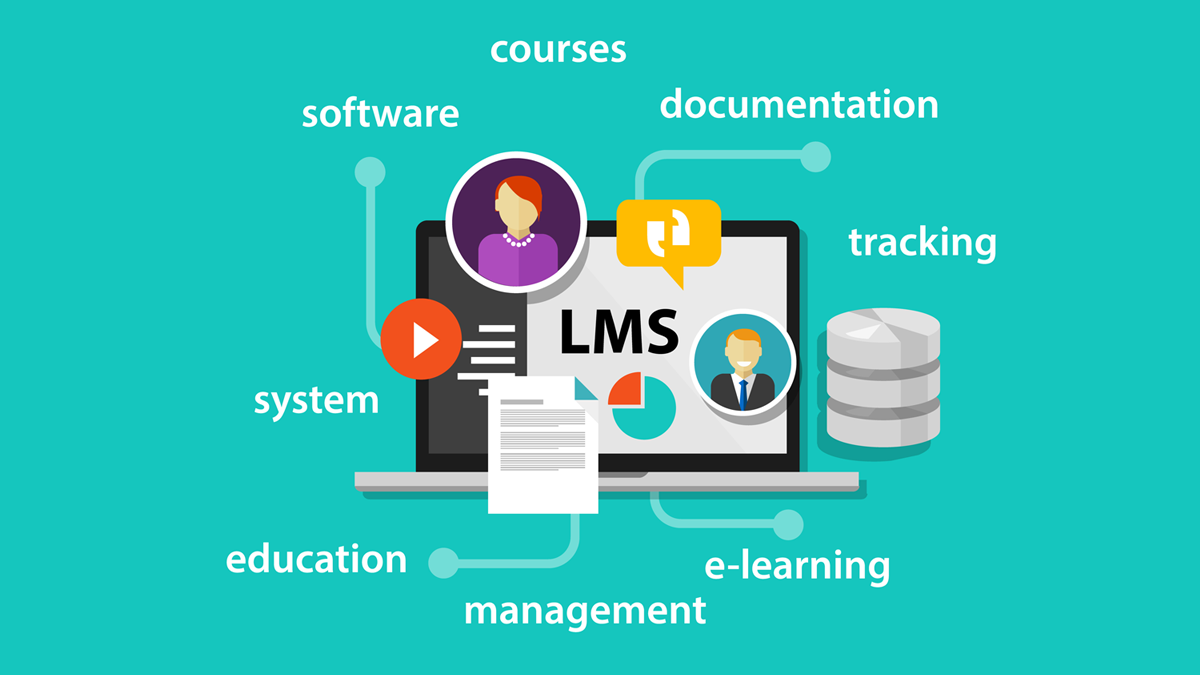
A Learning Management System (LMS) is a solution that all organizations should have in their HR tech stack. This software will aid in managing the educational courses and training programs assigned to organizational employees. An LMS will allow companies to host and manage the learning content in a central location. This streamlines the employee’s ability to access their training materials and allows organizational leaders to monitor the employee’s progress.
There is no limit to the content that can be housed in an LMS platform. LMS platforms can streamline the onboarding process by providing the necessary materials. They can even house advanced technical training and management training. Almost any training required by regulations, such as Harassment and Sensitivity training, as well as job-specific training, can be kept and tracked in one place.
The Benefits of Implementing an LMS
- Centralized Learning Hub: All training materials, regardless of subject matter, can be categorized and consolidated within an LMS. This makes it easier for employees to access the training assigned to them. A centralized location for HR administrators to manage and monitor the progress of the workforce. The online solution can also be accessed at any time and from anywhere, depending on organizational policy.
- Personalized Learning Paths: LMS platforms today are not one-size-fits-all. They can offer personalized learning experiences to the employees. The systems can be defined with learning paths that employees can follow. Examples of these paths can be role-based, department-based, or even structured around the employee’s career aspirations.
- Cost-Effective Training: In the world of yesteryear, to provide training to employees, organizational leaders often had to schedule traditional in-person training, either at the work site or a third-party vendor location. This type of training was often costly and time-consuming. An LMS platform can significantly reduce these expenses by making required training digital and accessible in real time. Another cost-effective aspect of an LMS is the scalability of the platform- if the organization has 10 employees or 10,000, the costs are known upfront and predictable.
- Tracking and Analytics: LMS platforms streamline tracking and analytics. Organizational leaders will be able to track employee progress easily in real-time. An LMS allows administrators to monitor completion rates, test results, and employee engagement across different training programs by collecting feedback from employees and trainers. By tracking this information, HR managers will be able to enhance the training programs offered, ensure employees meet all learning objectives, and identify any gaps in knowledge gained through LMS training.
- Fosters a Culture of Continuous Learning: Administrators can configure the LMS platform to offer continuous learning by providing easy access to the materials. By doing so, an employee with a growth mindset will be encouraged to take control of their professional development. This will help create a culture of learning that is essential for remaining competitive and adaptable in the ever-changing business environment.
- Compliance and Certification Management: Industries such as healthcare, finance, and even manufacturing have stricter compliance requirements than other industries. An LMS can help streamline the management of mandatory training programs. An LMS will also be able to track certifications and compliance with automated notifications when an essential certification or training is about to expire.
Key Features of an Effective LMS
- Content Variety: Most LMS platforms support a variety of content types. These can be videos, audio recordings, quizzes, PDFs, and even interactive simulations. This flexibility allows trainers to be creative when creating training materials. This ability will also help keep employees engaged and cater to different learning styles.
- Mobile Accessibility: Long gone are the days of being chained to a desk to complete work or participate in training. The online solution offers access to training materials on the go. Employees can complete assigned training on any device if the LMS supports mobile devices. This will increase the convenience, engagement, and accessibility for the employees.
- Gamification: Some systems offer badges, leaderboards, and rewards that employees can earn. Some will even allow employees to engage with their peers who are completing the same training program. This gamification aspect will motivate employees to complete the courses and will foster a little bit of competition.
- Reporting and Analytics: LMSs come standard with reporting and analytics capabilities. Being able to generate detailed reports on the activity, progress, and performance of the organizational employees is essential. The information gathered and analyzed will also enable administrators to refine learning strategies, incorporate additional training, and identify training gaps.
- Integration with Other Systems: Integration with other HR systems is essential for a smooth, seamless experience. This enables HR admins to compare the training offered to employees with their performance and development goals.
The Future of LMS: What’s Next?
In today’s ever-changing, fast-paced environment, nothing stays the same. This is true for Learning Management Systems as well. With innovations that are focused on making training more immersive, engaging, and aligned with business goals, LMS platforms are becoming more all-encompassing.
Read below to learn more about some trends shaping the future of LMS:
- Artificial Intelligence (AI): Nowadays, everything is focused on AI. AI is also drastically changing the landscape of Learning Management Systems. This is possible by offering adaptive learning experiences to the organizational employees. An AI-driven system can analyze the behavior of the organization’s learners, adjust content based on their progress and preferences, and provide the most personalized learning experience. This will help keep employees engaged and eager to learn.
- Microlearning: With social media, short-form videos, and TikTok, the attention spans of the current and next generations of workers are shrinking. This is an easy barrier to overcome with an LMS. Many of them can be configured to offer short, focused modules, which are bite-sized and easier for employees to retain what they have just heard, read, or learned. This added benefit makes it easier for busy professionals to effectively learn what is being taught through their company’s LMS.
- Social and Collaborative Learning: Humans are inherently social creatures. Many LMS platforms already offer some degree of social learning, including collaboration tools and team learning features. These features will continue to grow in prevalence across LMS platforms.
- Data-Driven Learning: Data is what drives the business world. As data continues to remain essential to the success of any organization, it will be incorporated into more aspects of the business. LMS platforms that utilize data and analytics will allow organizations to see the trajectory of their training programs and more seamlessly tie learning outcomes to business objectives.
Conclusion
Learning Management Systems have gone from “Maybe next year, depending on the budget.” To “We needed this yesterday.”They are more than just a training platform and have become an essential strategic tool that will foster growth, drive success, and improve the organization’s engagement and performance. Organizations are rushing to invest in an LMS to make their training initiatives more focused and efficient, and to empower their employees to take their professional development into their own hands.
Incorporating a robust LMS into your HR strategy is a critical step toward building a workforce that is knowledgeable, engaged, and ready to take on tomorrow’s challenges.

Frequently Asked Questions (FAQs)
A Learning Management System (LMS) is software that helps organizations create, deliver, manage, and track employee training and learning programs.
An LMS centralizes training, improves employee learning, tracks progress, reduces training costs, and supports continuous skill development.
An LMS provides personalized learning paths, on-demand training, progress tracking, and interactive content to improve employee knowledge and engagement.
Key features include mobile access, reporting and analytics, content management, learning paths, assessments, and integration with HR systems.
An LMS automates mandatory training, tracks certifications, sends renewal reminders, and maintains training records to help organizations meet compliance requirements.