Managing supplier relationships becomes increasingly difficult as the supplier base grows. Procurement teams often rely on spreadsheets, emails, shared documents, and disconnected systems to manage supplier information, onboarding, compliance, performance, and risk.
For a procurement manager, the challenge is not simply keeping supplier records updated. It is having enough visibility to know which suppliers are performing well, which require attention, and where supplier risks could affect the business.
A structured supplier relationship management (SRM) approach can bring these activities together and help procurement teams manage suppliers more proactively.
What Is Supplier Relationship Management?
Supplier relationship management is a structured approach to managing and improving an organization’s relationships with its suppliers.
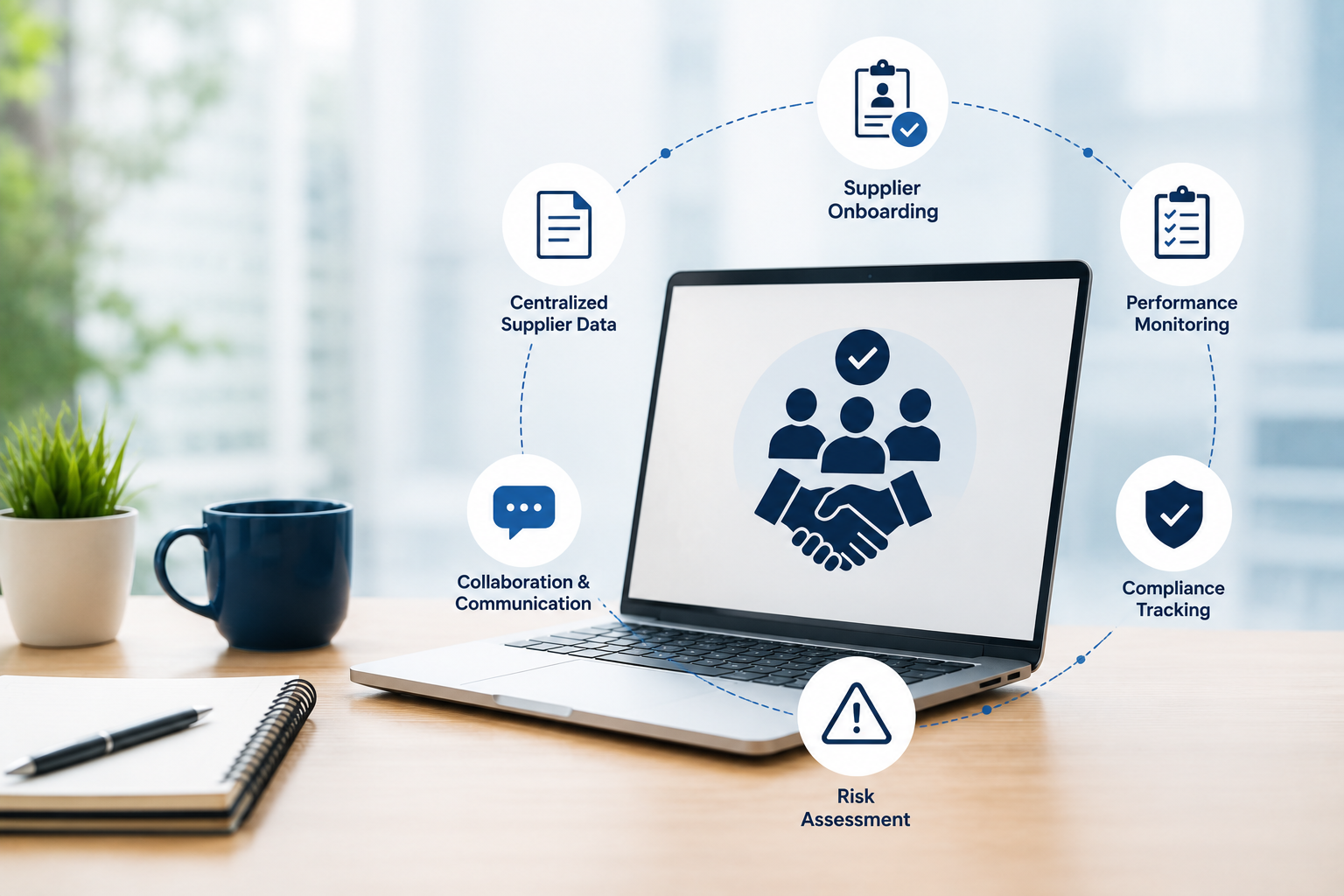
It covers more than maintaining supplier contact information. An effective SRM process can include:
- Supplier onboarding and information collection
- Centralized supplier master data
- Supplier performance monitoring
- Supplier compliance tracking
- Supplier risk assessment
- Supplier collaboration and communication
- Performance reviews and corrective actions
For procurement managers, the objective is to create a consistent process for managing suppliers throughout the relationship.
Why Procurement Managers Struggle With Supplier Management
As organizations grow, supplier management can become fragmented across teams and systems.
A supplier may provide onboarding information through email, submit compliance documents through a shared folder, and have performance data maintained in a spreadsheet. Procurement may then need to combine this information manually before a supplier review.
This creates several problems:
- Supplier information becomes outdated or incomplete.
- Procurement teams spend time chasing suppliers for documents.
- Compliance gaps are harder to identify.
- Supplier performance is difficult to compare consistently.
- Risk information is scattered across different sources.
- Preparing supplier reviews becomes a manual reporting exercise.
The result is that procurement teams spend more time maintaining supplier information and less time improving supplier relationships.
5 Areas Procurement Managers Should Improve
1. Standardize Supplier Onboarding
Supplier onboarding is the foundation of the supplier relationship.
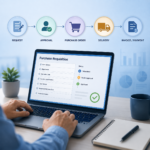
A structured onboarding process should define what information and documentation each supplier needs to provide. Instead of collecting information through multiple emails and spreadsheets, procurement can use a consistent workflow.
This helps ensure that supplier records are complete from the beginning and reduces the administrative work required from procurement teams.
2. Create a Central Supplier Record
Procurement teams need a reliable source of supplier information.
A centralized supplier record can bring together key information such as supplier details, documentation, compliance status, performance information, and risk assessments.
This gives procurement a more complete view of the supplier without requiring employees to search across multiple systems.
3. Make Supplier Performance Measurable
Supplier relationships are difficult to improve when performance is not measured consistently.
Procurement teams can create scorecards around relevant criteria such as quality, delivery, responsiveness, service levels, or other supplier-specific KPIs.
Standardized scorecards make it easier to identify trends and determine which suppliers require attention.
4. Monitor Compliance and Risk
Supplier risk can change over time.
A supplier that met all requirements during onboarding may later have expired certifications, missing documentation, or other compliance concerns.
Regular monitoring helps procurement identify these issues earlier instead of discovering them during an audit, supplier review, or business disruption.
5. Turn Supplier Reviews Into Action
Supplier reviews should do more than document performance.
When a supplier misses an agreed KPI, procurement should be able to identify the issue, assign corrective actions, monitor progress, and review the outcome.
This creates a continuous improvement cycle rather than treating supplier evaluations as a periodic administrative task.
When Should Procurement Consider SRM Software?
Spreadsheets and email may work when the supplier base is small. The limitations become more visible as the number of suppliers, business units, compliance requirements, and performance metrics increases.
Procurement teams should consider SRM software when they are experiencing:
- Increasing supplier onboarding volumes
- Multiple sources of supplier information
- Frequent requests for supplier documents
- Inconsistent supplier evaluation processes
- Limited visibility into supplier performance
- Difficulty tracking supplier compliance
- Growing supplier risk exposure
- Time-consuming supplier review preparation
The goal is not simply to replace spreadsheets. It is to create a repeatable supplier management process that can scale with the organization.
What Should Procurement Managers Look for in SRM Software?
A modern SRM platform should support the complete supplier management process rather than solving only one part of it.
Key capabilities include:
- Supplier Onboarding: Collect and manage supplier information through a structured process.
- Supplier Master Data: Maintain a centralized and reliable supplier record.
- Supplier Portal: Give suppliers a controlled way to provide information, documents, and updates.
- Performance Scorecards: Establish consistent supplier KPIs and track performance over time.
- Compliance Tracking: Monitor supplier documentation and compliance requirements.
- Supplier Risk Assessment: Help procurement identify and monitor supplier risks.
The right combination of these capabilities can help procurement move from reactive supplier administration toward proactive supplier management.
How SutiSRM Helps Procurement Managers
SutiSRM brings supplier onboarding, supplier information, supplier collaboration, performance, compliance, and risk management into one centralized platform.
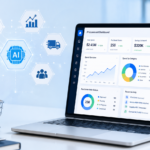
Procurement teams can create structured supplier onboarding processes, maintain supplier master data, use supplier portals to streamline information exchange, monitor performance through scorecards, track compliance requirements, and assess supplier risk.
Instead of managing supplier relationships through disconnected spreadsheets and email conversations, procurement gets a more consistent process and a centralized view of supplier relationships.
Final Thoughts
For procurement managers, effective supplier relationship management is about having the information and processes needed to manage suppliers proactively. Standardized onboarding, centralized supplier data, measurable performance, compliance visibility, and risk assessment can make supplier management more consistent and scalable.
As supplier networks become more complex, an SRM platform can help procurement teams spend less time chasing information and more time improving supplier performance and relationships.

Ready to bring supplier management into one centralized process?
Explore how SutiSRM can help your procurement team manage suppliers with greater visibility and control.
FAQs
SRM helps procurement teams move beyond transactional interactions and focus on long-term supplier value. It provides a structured foundation for collaboration, improvement, and relationship planning.
Yes, SRM can be adapted to manage strategic, critical, preferred, and transactional suppliers based on their importance to the organization. This allows procurement teams to apply the right level of oversight to each relationship.
SRM provides a shared environment for suppliers and procurement teams to exchange information and stay aligned. This can make communication more organized and reduce unnecessary back-and-forth.
Yes, procurement teams can use supplier data and evaluation results to identify relationships that need greater attention. This helps teams focus resources on suppliers with the greatest business impact.
SRM can help procurement teams identify performance gaps and track improvement initiatives over time. This supports a more structured approach to strengthening supplier capabilities and outcomes.
Yes, supplier information can support collaboration across departments such as finance, operations, quality, and legal. A shared supplier view can help different teams work from more consistent information.