
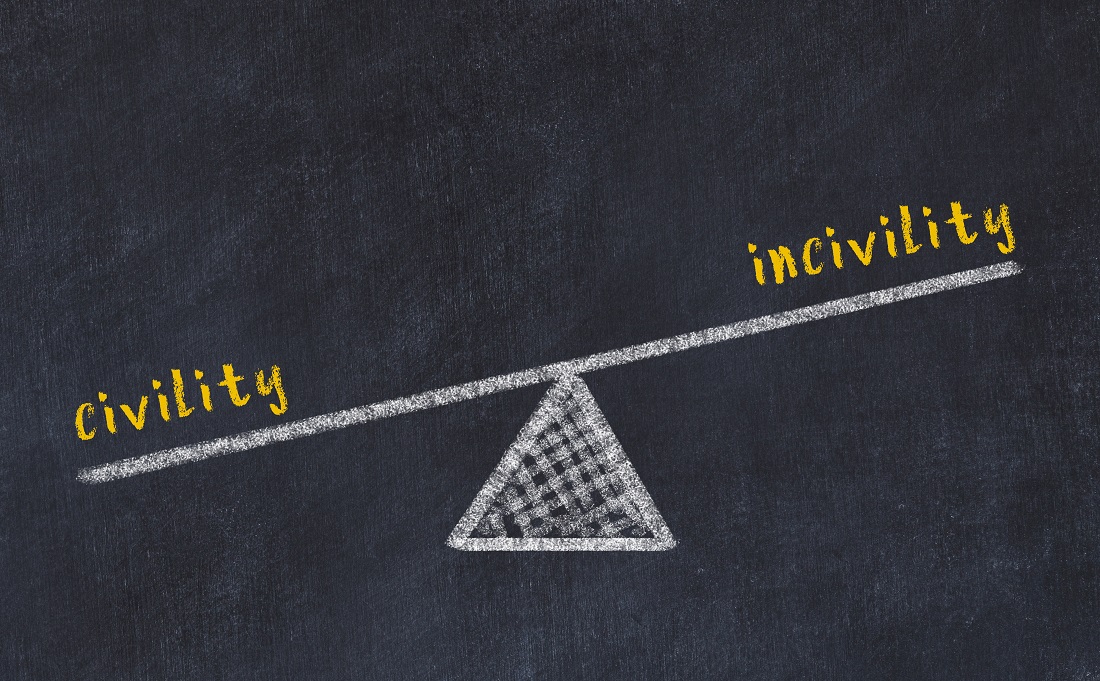
In today’s workplace, creating a culture of respect and professionalism is no longer a nice-to-have but a must-have. However, across many organizations, workplace incivility is pervasive. Whether it’s passive-aggressive or overtly rude behaviors, microaggressions, or all the above, incivility can erode employee morale, collaboration, and productivity. HR and organizational leaders must understand the root causes of incivility and take proactive steps to manage it to maintain a thriving work environment. Modern HR software, including tools such as a Human Resource Information System (HRIS), can empower HR leaders to be even more effective at creating a civil, respectful workplace. Let’s look at some of the reasons behind workplace incivility, the ways to address it, and how an HRIS can facilitate workplace civility.
Defining Workplace Incivility
Workplace incivility is defined as low-intensity, deviant behavior with an ambiguous intent to harm the target that violates workplace norms of mutual respect. These range from ignoring a colleague in a meeting to speaking to them condescendingly or gossiping behind their back. Though small, these things can build over time and contribute to toxic work environments and higher turnover.
The Most Common Causes of Workplace Incivility
- Stress and Burnout: High-stress work environments can deplete patience and heighten irritability, causing employees to react unfavorably or to forgo manners.
- No Accountability: Uncivil behavior spreads when leaders ignore or dismiss it.
- Cultural or Personality Clashes: Differences in communication styles or work setup values can, sometimes, cause misunderstandings or conflict.
- Low-Quality Leadership: Leaders who exhibit disrespectful behavior set a tone that breeds incivility throughout the organization.
- Unclear Expectations: If no expectations are set for employees’ behavior, employees may not know what constitutes appropriate conduct.
The Impact of Incivility
Unchecked workplace rudeness can result in:
- Lowered Employee Engagement: When there is rudeness and discourtesy, employees will feel less valued and disengaged.
- Revolving Door: Unsurprisingly, workers in toxic environments tend to leave their workplaces, seeking jobs in environments they feel are more respectful.
- Reduced Productivity: Negativity affects communication, and indirect exchanges can divert staff away from their work.
- Tarnished Reputation: Companies with toxic cultures can struggle to recruit top talent.
How to Combat Incivility in the Workplace
- Establish Clear Behavioral Expectations: Create and distribute a code of conduct that defines what is and is not appropriate and holds staff responsible. This helps everyone understand what appropriate and respectful behaviors look like in this context.
- Lead by Example: The tone of workplace culture is set by leaders. Practicing civility, empathy, and fairness in day-to-day exchanges encourages employees to do the same.
- Train for Emotional Intelligence: Training in emotional intelligence allows employees and leaders to improve their communication skills, empathy, and self-awareness. This can help to reduce possible differences and misunderstandings.
- Foster Open Communication: Develop safe havens for employees to flag incivility without the fear of retribution. Listening to complaints and addressing them will help build trust and prevent bad practices from continuing.
- Foster Team Building: Invest in team-building activities because when co-workers collaborate and understand each other better, they are less likely to act uncivilly, as they become more familiar with one another.
- Address Issues Promptly: Don’t let incivility fester. When things happen, respond quickly and equitably to ensure those involved understand the consequences of their behavior.
- Offer Stress Management Tools: Give employees the tools to alleviate stress, whether that be wellness programs, flexible work, or access to mental health support. A less stressed workforce is less likely to act in uncivil ways.
- Recognize and Reward Civility: Doing so emphasizes its importance. Awards like “Team Player of the Month” or recognizing kindness can further help build a culture of civility.
How an HRIS Can Help Foster a Civil Workplace
An HRIS Reform can Detect, Deal, and Prevent Workplace Incivility. Here’s how it can make a difference:
- Centralized Policy Communication: HRIS provides a one-stop shop for organizations to share and update workplace policies, including codes of conduct, harassment policies, and anti-bullying initiatives. These guidelines are easy for employees to refer back to, reducing ambiguity about the types of behavior expected.
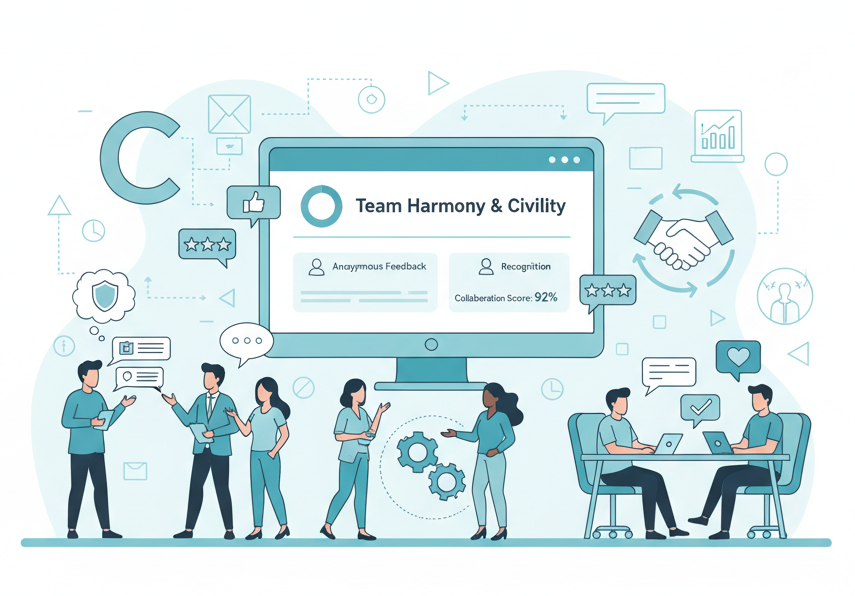
- Anonymous Reporting Tools: Several HRIS systems offer grievance reporting tools that allow employees to anonymously report incidents of incivility or harassment. This creates a safe environment and allows issues to arise before they become widespread.
- Monitoring and Analytics: Using data analytics and reporting tools, an HRIS can help HR leaders identify trends of ungentlemanliness, such as elevated turnover or complaints within particular teams or departments. This data enables leaders to take meaningful action on shortcomings.
- Employee Engagement Surveys: Pulse surveys (conducted at regular intervals) or engagement surveys integrated into an HRIS can provide insight into workplace culture and the workplace civility index. Such surveys can reveal areas of the workplace where staffers feel disrespected or undervalued, giving HR a chance to take corrective actions.
- Training and Development Monitoring: An HRIS can facilitate the administration and tracking of these training programs to foster emotional intelligence, diversity and inclusion, and conflict resolution. After they learn what behaviors are unacceptable, providing this training allows employees and leaders to establish a more civil workplace.
- Recognition Programs: Automating recognition programs within your HRIS creates opportunities to mark and reward civility. Shared methods such as peer nominations and points-based recognition systems encourage employees to recognize each other’s positive contributions.
- Stress Management Tools: Wellness features embedded in many HRIS platforms, such as stress management programs and access to mental health resources, can help employees cope with work-induced stress and mitigate the risk of uncivil behavior.
Build a Respectful, Productive Workplace with SutiHR
Use SutiHR’s tools to promote civility, track employee feedback, and support a culture of respect and collaboration.
HR and Organizational Leaders’ Responsibilities
HR leaders play a critical role in shaping company culture, and utilizing HRIS tools can help increase the impact. When they align technology with strategic initiatives to increase civility, they can create a workplace where employees feel respected, valued, and inspired to contribute. Not only does this improve individual performance, but it also contributes to organizational performance.
A Call to Action
Workplace civility is more than the absence of conflict; it is the cultivation of an environment in which employees thrive. By tackling issues that lead to incivility, taking proactive steps, and utilizing tools like an HRIS, HR and organizational leaders can help ensure that their workplace is a place where everyone is treated with respect, can thrive, and can support one another. Incivility starts small, but its ripple effects can spread wide. The good news? So, too, can the ripple effects of civility. Start today in creating a more courteous, engaged, and productive workplace – one that’s empowered by HR tech.

Frequently Asked Questions (FAQs)
Workplace incivility refers to disrespectful or discourteous behaviors, such as rude comments, exclusion, gossip, or dismissive communication, that violate workplace norms and negatively impact employee morale.
Workplace incivility can reduce employee engagement, lower productivity, increase turnover, and damage an organization’s reputation and workplace culture.
Organizations can promote civility by setting clear behavioral expectations, encouraging respectful communication, providing leadership training, and addressing issues promptly and fairly.
Leaders can foster a respectful workplace by modeling professional behavior, encouraging open communication, recognizing positive actions, and holding employees accountable for misconduct.
HR technology can support workplace civility through anonymous reporting tools, employee feedback surveys, policy management, training programs, and analytics that help identify and address workplace issues early.