
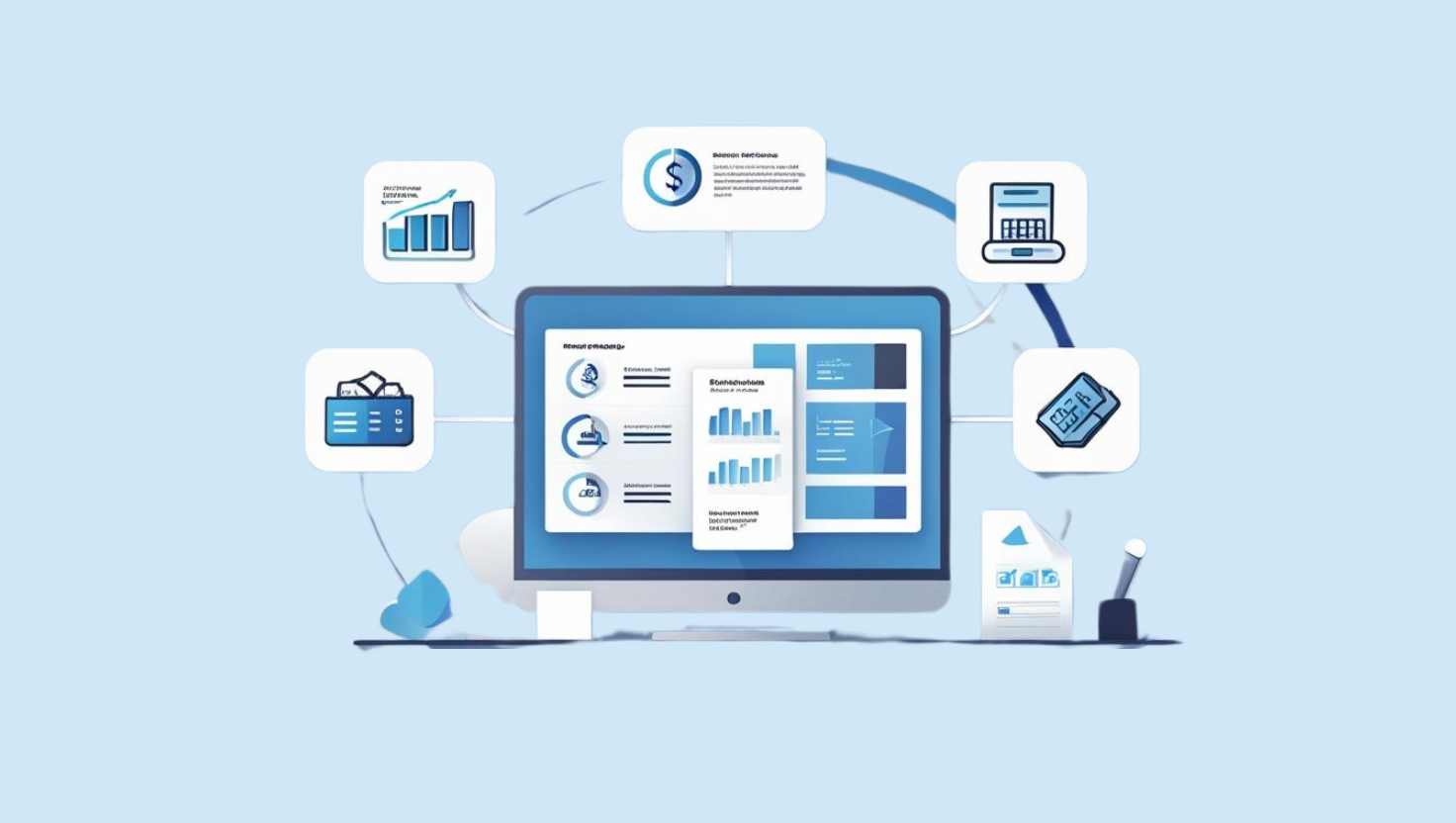
In today’s digital-first world, managing business expenses isn’t just about crunching numbers—it’s about empowering financial intelligence. As companies strive for agility, transparency, and cost control, expense report software has evolved from a back-office utility to a strategic powerhouse. This article dives into the latest trends redefining the space and spotlights the software solutions leading the charge, including modern platforms like SutiExpense that are transforming how organizations manage spend.
Why Expense Management Is More Strategic Than Ever
Gone are the days when tracking receipts and reconciling travel expenses were just administrative chores. In 2025, organizations view expense management as:
- A cost-optimization tool
- A compliance safeguard
- A data-driven decision enabler
With remote work, globalization, and hybrid business models rising, finance teams need tools that can adapt fast, scale easily, and deliver actionable insights.
Key Takeaways
- AI-powered automation has transformed expense management from manual administrative tasks to intelligent financial intelligence, reducing processing times by over 60%.
- Mobile-first expense platforms with OCR capabilities and offline syncing have become essential for supporting distributed workforces and remote teams.
- Real-time policy enforcement embedded in booking engines and approval workflows helps organizations proactively prevent out-of-policy spending rather than reacting after reimbursement.
- ESG reporting capabilities in modern expense software enable companies to track carbon footprints and sustainability metrics, elevating expense management to environmental compliance.
- Data-driven spend analytics dashboards provide actionable insights for budgeting, vendor negotiations, and strategic financial decision-making across departments.

Top Trends Shaping Expense Management in 2025
1. AI-Powered Automation
Artificial intelligence has shifted from a novelty to a necessity in expense management. Today’s software uses AI to:
- Automatically categorize expenses and flag anomalies
- Suggest policy-compliant vendors and bookings
- Auto-match receipts with corporate card transactions
- Predict future spending patterns based on historical behavior
Smart Automation means employees spend less time on manual entry, while finance teams gain real-time visibility into spending data.
Example: Tools like SutiExpense are leveraging AI for auto-approvals, policy alerts, and smart validations, enabling finance departments to reduce errors and process times by over 60%.
2. Mobile-First Experience
Mobile-first isn’t optional anymore—it’s expected. Today’s workforce needs the ability to:
- Snap and submit receipts on the go
- Approve expenses with a tap
- Get notifications for policy breaches in real-time
Modern apps offer intuitive UIs, OCR capabilities, and offline syncing, making expense management frictionless for road warriors and remote teams.
3. Real-Time Policy Enforcement
Companies now enforce policies proactively and dynamically rather than reacting to non-compliance after reimbursement. Expense platforms embed policy logic into:
- Booking engines
- Corporate card usage
- Real-time approval workflows
This helps reduce out-of-policy spending and makes finance teams more strategic gatekeepers than reactive auditors.
4. Integrated Travel & Expense (T&E) Ecosystems
Siloed travel and expense systems are rapidly becoming outdated. Companies now seek end-to-end T&E platforms that unify:
- Travel booking
- Per diem tracking
- Expense reporting
- Reimbursement processing
Integration with HRMS, ERP, and accounting systems ensures smooth data flow, enhancing financial forecasting and tax reporting.
5. Sustainability Tracking and ESG Reporting
With ESG (Environmental, Social, Governance) at the forefront, companies want to track the carbon footprint of their business travel and expenses. Modern software now includes:
- CO2 impact metrics for flights and hotels
- Tags for tracking sustainability-compliant vendors
- Reports for ESG audits and compliance
This elevates expense software from a financial tool to a sustainability enabler.
6. Data-Driven Spend Insights
The most forward-thinking platforms offer analytics dashboards that turn data into decisions. Users can:
- Compare team-wise and department-wise spending
- Identify budget leaks and top expense categories
- Benchmark spend across vendors or time periods
By combining visualization with predictive analytics, these tools drive smarter budgeting, vendor negotiations, and spending policies.
7. Decentralized Approval Workflows
Organizations are moving away from rigid, top-down expense approvals. Instead, they’re enabling role-based, dynamic workflows based on:
- Department
- Spend category
- Risk level
- Geography
This decentralization speeds up the process and aligns better with distributed teams and agile budgeting.
8. Emphasis on User Experience (UX)
Modern expense software isn’t just built for finance—it’s designed for everyone in the organization. A clean, intuitive interface ensures:
- Faster adoption
- Fewer errors
- Greater compliance
UX now plays a central role in product selection, with employee satisfaction being a key ROI metric.
Top Trending Expense Management Solutions in 2025
Here’s a look at some of the top contenders redefining the space:
1. SutiExpense
Why it stands out:
- AI-based auto-categorization and policy validation
- Seamless integration with HRMS, ERP, and accounting tools
- Mobile app with receipt scanning and voice commands
- Multi-currency and multilingual support
- Real-time analytics dashboard
Ideal for: Mid-sized to large enterprises looking for intelligent Automation with global scalability.
2. Expensify
Why it’s popular:
- One-click receipt scanning
- Built-in travel booking and reimbursement
- Real-time expense tracking and reporting
- Corporate card integrations
Ideal for Startups and SMBs needing ease of use and affordability.
3. SAP Concur
Why it leads in the enterprise space:
- Deep ERP integration with the SAP ecosystem
- Customizable policy and workflow engines
- Global compliance and tax regulation support
- Travel booking and sustainability features
Ideal for: Large, multinational corporations with complex requirements.
4. Zoho Expense
What’s unique:
- Part of the Zoho ecosystem
- Smart auto-scan and mileage tracking
- Per diem automation
- GST and tax compliance tools
It is ideal for growing businesses that are already using the Zoho suite tools.
5. Rydoo
Why it’s trending:
- Fast, mobile-first design
- Real-time expense approval
- Mileage, per diem, and travel sync
- Insightful analytics and compliance checks
Ideal for: Agile companies with on-the-go teams and remote culture.
How to Choose the Right Expense Management Software
Here’s a quick checklist for evaluating your options:
- Automation – Does it reduce manual work and errors?
- Integration – Can it plug into your existing systems?
- Customization – Can it adapt to your workflows and policies?
- Compliance – Does it ensure tax, audit, and policy alignment?
- UX/UI – Is it easy to use for both admins and employees?
- Scalability – Can it grow with your business?
- Analytics – Does it offer actionable, real-time insights?
The Future of Expense Management: What’s Next?
Looking ahead, expect even more innovation in this space:
- Voice-enabled expense submissions
- Blockchain-based audit trails
- Hyper-personalized employee spending limits
- AI-driven fraud detection
- Conversational interfaces (chatbots) for finance queries
Expense software is moving from Automation to augmentation, where finance teams don’t just track spending—they shape it proactively.
Transform Your Financial Operations Today
The evolution of expense management software represents more than technological advancement—it’s a fundamental shift toward strategic financial intelligence. Organizations that embrace AI-powered automation, mobile-first design, and integrated expense data analytics don’t just manage expenses; they unlock competitive advantages through enhanced visibility, reduced fraud, and data-driven decision making.
Your next steps toward smarter spending:
- Audit your current process – Identify manual bottlenecks and compliance gaps
- Define your requirements – Consider integration needs, user experience, and scalability
- Explore modern solutions – Experience AI-powered automation firsthand
- Plan your implementation – Ensure proper training and change management
The future of expense management is already here, delivering measurable ROI through reduced processing time, improved compliance, and strategic financial insights. Organizations still relying on spreadsheets and manual processes aren’t just missing efficiency gains—they’re falling behind competitors who’ve leveraged these travel and expense management technologies for strategic advantage.
Ready to transform your expense management from administrative overhead into a competitive advantage? Start your free SutiExpense trial today and experience the power of AI-driven financial intelligence.
FAQs
Q: How does AI-powered expense management software reduce processing time?
AI automates expense categorization, flags policy violations, matches receipts to transactions, and enables smart approvals, reducing manual entry and processing time by over 60%. Modern platforms like SutiExpense use AI for auto-approvals, policy alerts, and smart validations to streamline the entire workflow.
Q: What should I look for when choosing expense management software for a distributed workforce?
Prioritize mobile-first design with OCR receipt scanning, offline syncing capabilities, real-time notifications, and seamless integration with HRMS, ERP, and accounting systems. The platform should support multi-currency transactions and provide intuitive user interfaces for maximum adoption.
Q: How can expense management software help with ESG compliance and sustainability reporting?
Modern expense platforms include CO2 impact metrics for flights and hotels, sustainability-compliant vendor tracking, and specialized reports for ESG audits. This transforms expense software from a financial tool into a comprehensive sustainability enabler for corporate responsibility initiatives.
Q: What are the key integration capabilities I need in expense management software?
Essential integrations include HRMS, ERP systems, accounting platforms (QuickBooks, SAP), corporate card providers, travel booking engines, and Microsoft Office/Google Workspace. API capabilities ensure smooth data flow and eliminate manual data entry across systems.
Q: How do real-time policy controls work in modern expense platforms?
Advanced expense software embeds policy logic directly into booking engines, corporate card usage, and approval workflows. This prevents policy violations before they occur, rather than catching them during post-expense audits, making finance teams strategic gatekeepers instead of reactive auditors.