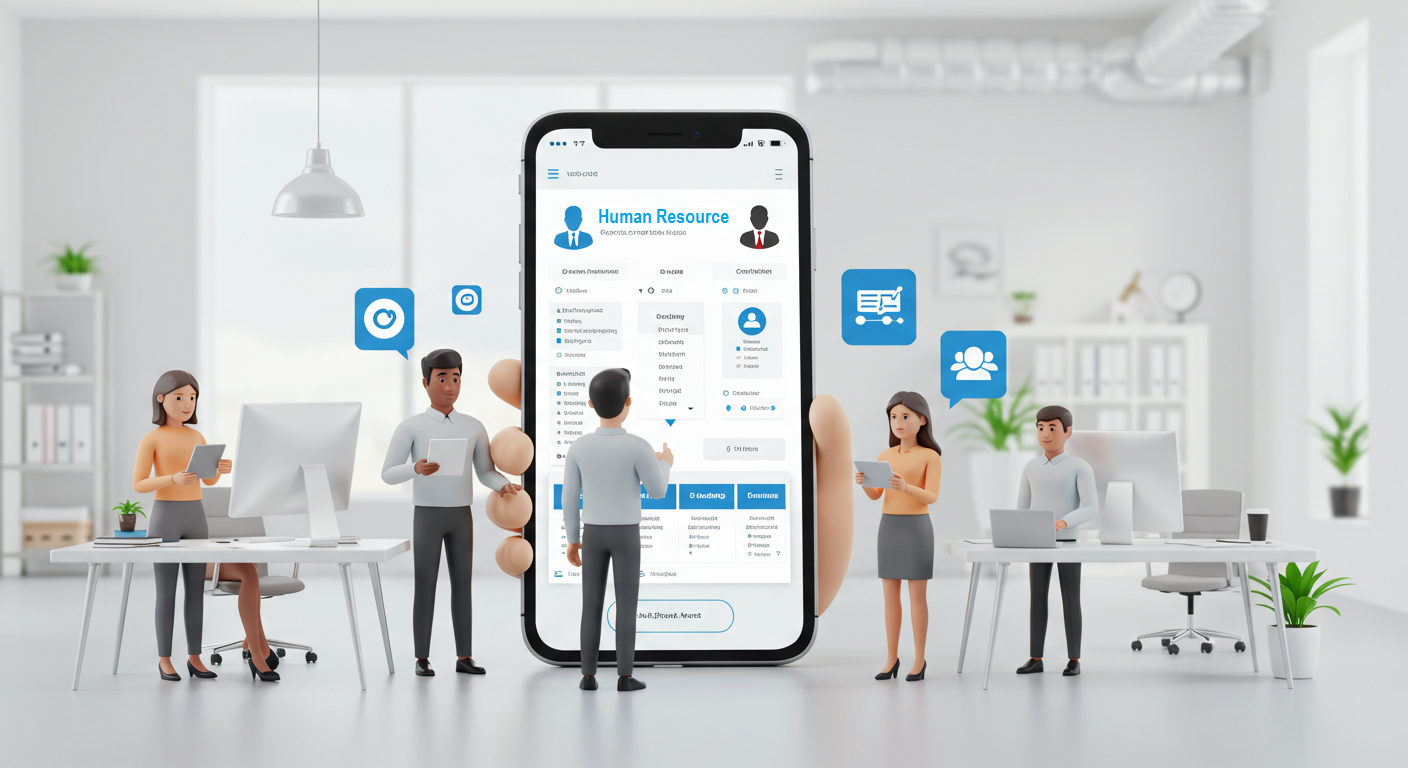
HR processes on the go are no longer a convenience; in today’s fast-paced business world, they have become necessary. Mobile HR solutions use cutting-edge technology to revolutionize how small and mid-sized companies manage their workforce, providing flexibility, efficiency, and employee engagement that were previously impossible. The era of mobile HR is a vehicle for HR leaders and organizational decision-makers to enter the tech sphere and drive their companies toward success.
Why Mobile HR Matters
Mobile HR has become necessary to meet the needs of the modern workforce and remain competitive. It is essential for small to mid-sized companies for several key reasons:
- Remote Work: The pandemic prompted the shift to remote and hybrid work models, which have become the new normal for many organizations. With Mobile, HR managers and employees can access and complete critical functions even if not in the office.
- Real-Time Access: Mobile HR solutions offer immediate access to critical data, whether approving leave requests or accessing payroll information, enhancing decision-making and response times.
- Improved Employee Experience: Employees also want the same seamless, tech-based interactions they have in their personal lives at work. Mobile Apps are part of the solution — driving engagement and satisfaction.
- Cost-effective: Mobile HR applications are usually easier to implement than traditional systems and more affordable for small to mid-sized businesses.
Win with Mobile HR
Modern mobile HR platforms are built with features that streamline and enhance organizational HR operations. Here are some of the most significant features:
- Self-Service Portals: Employees can check their pay stubs, request time off, update personal details, and learn about company policies on their mobile devices. This eases the administrative burden on HR teams.
- Approvals Right Now: Managers can approve leave requests, expense reports, and other workflows from anywhere, keeping operations moving when individuals are out of the office.
- Performance Management: With mobile platforms, giving feedback, setting goals, and conducting reviews become faster, creating more modern and effective reviews.
- Recruitment Tools: With mobile HR apps, recruiters can post job openings, review applications, and communicate with candidates from anywhere, thus speeding up the hiring process.
- Compliance & Document Management: Securely store and access all key compliance documents so your company is always audit-ready.
How Mobile HR Helps Small to Mid-Sized Businesses
By adopting mobile HR technology, an organization will be better positioned to deliver real benefits to its workforce.
- Productivity Leveled-Up: By reducing administrative tasks, employees and managers will gain time to focus on supporting the organization’s growth and strategic initiatives.
- Data Accuracy: Self-service options allow employees to update some of their personal information as it changes. For example, if an employee changes their phone number, email address, or mailing address, they can log in to the Mobile HR application and update their details without waiting for HR. This allows the employee to make real-time changes, ensuring the data is always up to date. This will minimize the need for HR admins to enter information, which could reduce human error.
- Improved Employee Engagement: Engagement and retention improve because employees can resolve issues quickly, without wasting time searching for a solution.
- Scalability: Like most tech solutions, Mobile HR solutions can scale with your business, adding features and solutions as your workforce grows.
- Cost Savings: Implementing mobile HR platforms reduces costs in the long run by streamlining processes and reducing reliance on paper-centric systems.
Overcoming Barriers to Adoption
However, mobile HR is not entirely welcomed by HR leaders and organizational decision-makers due to the challenges it entails. Here’s how to clarify common concerns:
- Cost-Effective: Subscription-based pricing makes Mobile HR applications a cost-effective solution for small to mid-sized organizations.
- Integration with Existing Systems: Top platforms offer effortless integration with other business software, making the transition seamless.
- Data Security: Because they collect sensitive employee data, mobile HR providers ensure their products prioritize security through features such as encryption, multifactor authentication, and compliance with data protection regulations.
- Change Management: Training and support during the implementation phase can help employees and managers embrace the new technology.
Choose Your Mobile HR Solution
Not all mobile HR platforms are made the same. So here are some factors to consider when evaluating options:
- User Friendliness: Select a platform with an easy-to-use interface so that employees and managers do not face any trouble using the system, and adoption rates remain high.
- Customizations: The solution should be customized to your company’s needs and workflows.
- Scalability: Ensure the platform can scale with your business and accommodate future requirements.
- Support and Training: A provider with solid customer support and training material will facilitate the implementation.
After discussing the planning work, the next step is to learn about the features and functionalities, including payroll integration, compliance management, performance tracking, etc.
The Future of Mobile HR
As technology advances, mobile HR solutions will become even more powerful, incorporating features such as AI, predictive analytics, and enhanced employee wellness tools. For small- to mid-sized companies, staying ahead of these trends will be key to sustaining a competitive advantage.
What if future HR platforms do more than automate tasks? What if they start offering insights into engagement levels, turnover risk, and development opportunities personalized to each individual and their career journey? This future is attainable with mobile HR.
Final Thoughts
Small to mid-sized companies can now take advantage of the remote HR revolution by using mobile technology to streamline processes, empower employees, and grow their business. With a mobile-first approach to HR, you’re not simply investing in technology —you’re investing in your people and your organization’s future.
Now is the time to explore mobile HR solutions if you have not yet. Well, your employees are ready for it. Your business deserves it. And your future demands it. Brace for the change and equip your organization with tools and strategies that make HR easy, effective, and on the go.
Frequently Asked Questions (FAQs)
Mobile HR software is a human resource management solution that allows employees and managers to access HR functions through smartphones and tablets. Employees can request time off, view payroll information, update personal details, and complete HR tasks from anywhere, while managers can approve requests, track attendance, and monitor workforce activities in real time.
Mobile HR software helps small and mid-sized businesses improve productivity, reduce administrative workloads, enhance employee engagement, and provide real-time access to workforce data. It also supports remote and hybrid work environments while offering a cost-effective alternative to traditional HR systems.
Mobile HR improves employee engagement by giving employees instant access to HR services, company updates, schedules, payroll information, and self-service tools. This convenience enables employees to resolve issues quickly, stay informed, and remain connected to the organization regardless of location.
Yes, modern mobile HR platforms use security measures such as data encryption, multi-factor authentication, role-based access controls, and compliance with data protection regulations. These safeguards help organizations securely manage sensitive employee information while supporting mobile access.
Businesses should look for features such as employee self-service portals, leave management, attendance tracking, timesheets, payroll access, performance management, recruitment tools, document management, workflow approvals, and mobile notifications. Scalability, ease of use, integrations, and security are also important considerations when selecting a mobile HR platform.
Mobile HR enables employees and managers to complete HR-related tasks from any location. It provides real-time access to attendance tracking, leave requests, schedules, payroll information, and approvals, making it easier for organizations to manage distributed teams efficiently.
Employee self-service empowers employees to manage personal information, request leave, access documents, and view payroll details independently. This reduces HR administrative burdens, improves data accuracy, and creates a better employee experience.
Mobile HR solutions are designed to scale with business growth by supporting larger workforces, automating HR processes, and adding advanced features as organizational needs evolve. This flexibility helps businesses maintain efficiency without significantly increasing HR administrative costs.