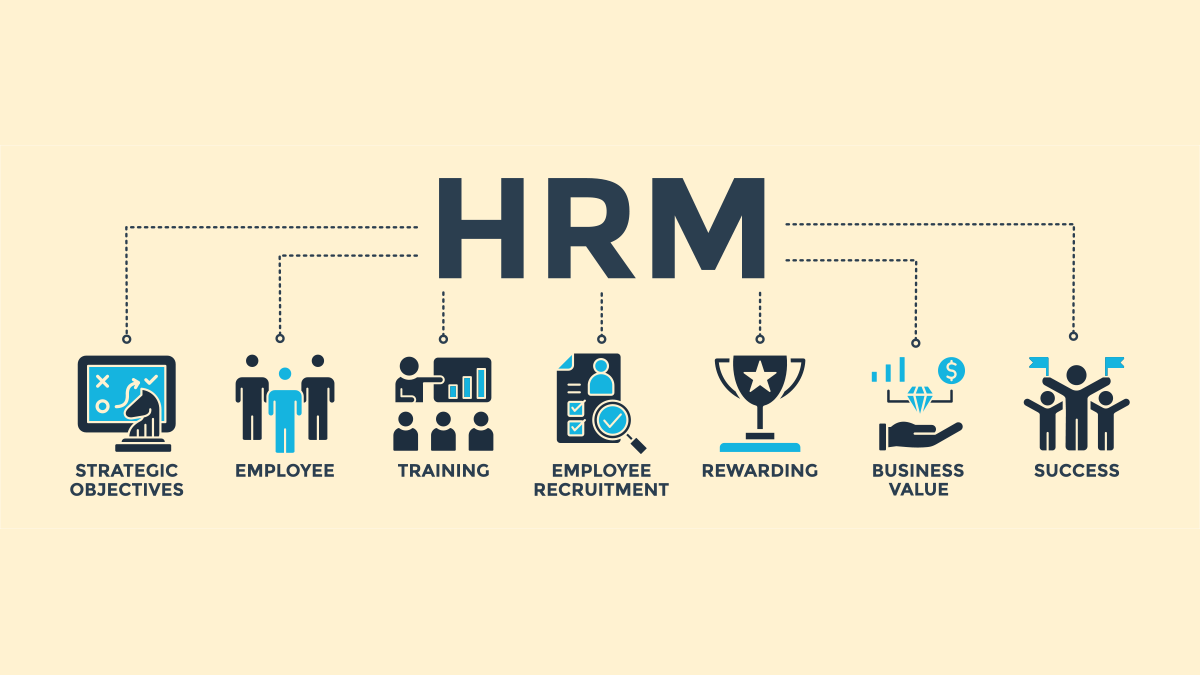
Human resource management is rapidly growing in the digital age, where data has become a primary asset for business strategy. Data-driven HR management is an approach in which workforce decisions are made based on data insights rather than assumptions or gut feelings. Businesses now understand that data analytics can transform traditional HR processes into more structured, data-driven, and unbiased processes. As a result, business leaders can make smarter decisions, enhance efficiency, and drive better outcomes for the workforce and the company.
In this blog, we will explain the concept of data-driven HR, its importance, and how companies can implement it effectively.
HR Management Powered by Data
Traditionally, HR professionals have been primarily engaged in administrative tasks and managing employees. But the recent data revolution has transformed the HR management landscape, especially after the COVID pandemic. Technology has evolved to provide advanced tools and systems for the efficient analysis of workforce data.
In Data-Driven HR management, decisions are guided by data rather than instincts. HR teams collect, analyze, and apply employee and organizational data to enhance hiring processes, foster collaboration, boost talent retention, and support employee development. Through data analysis, HR professionals can identify patterns, predict trends, and create strategies that optimize workforce performance and operational efficiency.
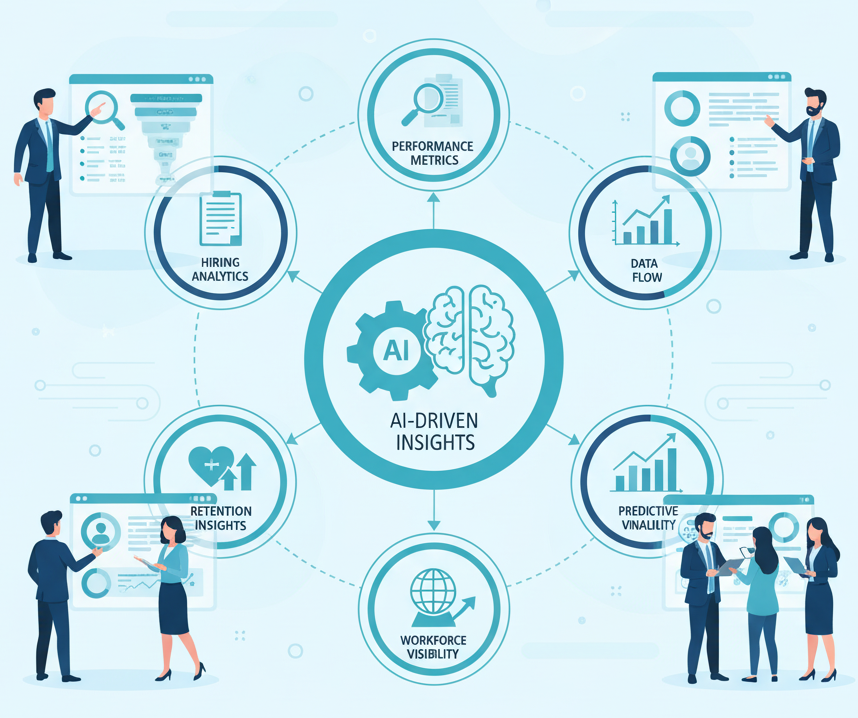
Empower Your HR with Real-Time Data & Insights
From hiring to performance and retention — make every decision backed by workforce analytics.
How Data-Driven HR Management Helps
By gathering data from various sources, such as employee surveys, social media, and performance metrics, HR teams gain a complete understanding of workforce dynamics. These insights help them make better decisions, contributing to greater workforce engagement, productivity, and overall business success.
Transform Talent Acquisition and Retention
Data-driven HR transforms hiring and employee retention processes, crossing the limitations of traditional subjective methods. With people analytics, HR teams can make evidence-based decisions. With integrated machine learning algorithms, HR systems provide advanced resume screening, help identify the right talent with the right skills, and simplify candidate background checks. By analyzing employee data, HR professionals can identify factors that drive employee retention and develop and foster a work environment.
Nurture Individuals and Boost Experiences
Data-driven strategies help HR professionals deliver personalized experiences that resonate with employees at an individual level, fostering engagement and productivity. By accurately analyzing workforce data, HR teams can find unique development needs, create custom learning programs, and develop growth opportunities that align with individual objectives.
Promote Better Workforce Planning
Data-driven strategies empower HR teams to develop more effective workforce plans. By evaluating HR data, they can predict future talent needs, find skill gaps, and develop targeted plans to address them. Workforce analytics enables informed decision-making by defining the optimal number of hires, finding high-potential employees, and predicting turnover rates within specific departments. This forethought ensures that businesses maintain an adaptable, skilled workforce capable of navigating future challenges and seizing emerging opportunities.
Improve Employee Performance Management
Companies are moving away from traditional performance evaluation methods that often lead to evaluations driven by managerial bias. Modern, data-driven performance appraisal methods, including multiple review types, goal setting, and 360-degree feedback, allow managers to evaluate employee performance fairly.
Also, tracking performance metrics such as average revenue per employee and absenteeism rate offers insight into determining appropriate performance pay for employees.
Develop Competitive Compensation Packages
A detailed analysis of market salary data is crucial for consistently beating the competition when making offers to selected candidates. A data-driven approach empowers you to lead with your best offer and build trust with candidates, increasing offer acceptance rates.
Tracking compensation metrics such as employee cost factor (ECF) and return on human capital investment helps HR professionals understand the overall costs of financial and non-financial compensation and align them with the budget.
Here are a few tips for implementing data-driven HR management:
- Collect and Analyze Data: To implement a strong HR analytics policy, start by gathering relevant data from various sources, such as employee surveys, hiring metrics, and performance evaluations. Utilize advanced analytics systems to interpret the data and create actionable insights.
- Integrate AI (Artificial Intelligence) and ML (Machine Learning): Apply AI analytics and machine-learning algorithms to identify potential issues and opportunities before they arise. These technologies can help HR teams proactively address issues and make informed decisions about critical HR functions.
- Use Advanced Technology: Invest in the right HR software that can aggregate, analyze, and visualize data effectively. These systems can range from simple HRM applications to advanced AI-powered HR management systems with integrated analytics capabilities.
Conclusion
The HR department’s role is shifting from an administrative function to a key contributor within organizations. The successful transformation lies in effectively using workforce data. Today, the move towards data-driven HR is not just a trend but a need. With workforce analytics, HR professionals can better understand their workforce, predict future trends, and make decisions that help overall business growth.
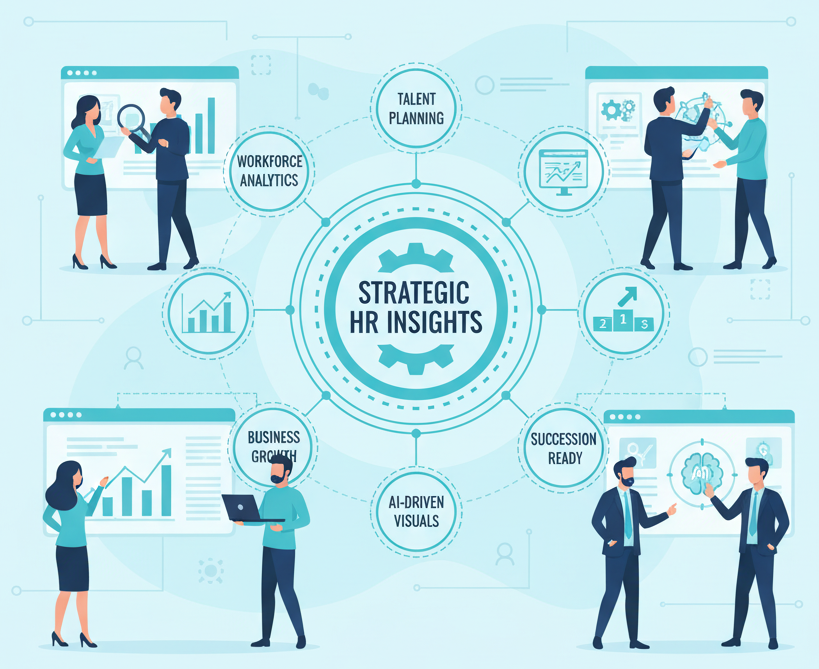
Turn HR Data into Smart Strategy — Try SutiHR
See how SutiHR helps you visualize workforce data, plan talent needs, and drive business growth.
Frequently Asked Questions (FAQs)
Data-driven HR management is an approach where HR decisions are based on data, analytics, and measurable insights rather than assumptions or intuition. It helps organizations analyze workforce trends, improve decision-making, and align HR strategies with business goals.
Data-driven HR is important because it enables organizations to make informed decisions, improve workforce productivity, reduce bias in HR processes, and align HR initiatives with overall business objectives. It also helps HR teams anticipate challenges and respond proactively.
Data-driven HR improves talent acquisition and retention by using analytics to identify the right candidates, streamline hiring processes, and understand factors affecting employee turnover. This allows organizations to develop targeted strategies to attract and retain top talent.
The key benefits of data-driven HR management include better decision-making, improved employee performance, enhanced workforce planning, reduced turnover, and increased operational efficiency. It also helps organizations create personalized employee experiences and optimize HR processes.
Companies can implement data-driven HR practices by collecting relevant workforce data, using HR analytics tools, integrating AI and automation, and training HR teams to interpret data effectively. Embedding data into daily HR processes ensures continuous improvement and better outcomes.