Procurement is no longer viewed as a back-office function focused solely on negotiating prices and issuing purchase orders. Today, procurement leaders are expected to drive strategic value by reducing organizational spending, strengthening supplier relationships, minimizing risk, ensuring regulatory compliance, and supporting business resilience. Every supplier agreement, sourcing contract, and service agreement contributes to these objectives, making contracts one of the most valuable assets procurement teams manage.
Yet despite procurement’s growing importance, many organizations still rely on shared folders, email threads, spreadsheets, and manual approval processes to manage supplier contracts. These outdated methods create inefficiencies that extend far beyond administrative inconvenience. A missing renewal notice can lock a business into an unfavourable pricing agreement for another year. A forgotten compliance clause can expose the organization to regulatory penalties. An outdated contract template may introduce unnecessary legal risk.
As supplier ecosystems become increasingly global and procurement operations grow more complex, contract management software has evolved from a productivity tool into a strategic platform that enables procurement teams to make better decisions, improve supplier performance, and protect organizational value.
Contracts Drive Every Procurement Decision
Every procurement activity eventually leads to a contract. Whether an organization is purchasing raw materials, hiring consulting services, outsourcing IT operations, or licensing enterprise software, contracts define pricing structures, payment terms, service expectations, delivery schedules, renewal conditions, and performance obligations.
In large organizations, procurement departments often manage thousands of active supplier agreements simultaneously. These contracts are frequently owned by different departments, negotiated by multiple stakeholders, and updated over several years. Without a centralized system, maintaining visibility into every agreement becomes nearly impossible.
This lack of visibility creates significant operational challenges. Procurement professionals may spend hours searching for contracts, confirming which version is current, or identifying the appropriate stakeholder for approvals. Valuable time that could be spent negotiating better supplier terms or identifying cost-saving opportunities is instead consumed by administrative work.
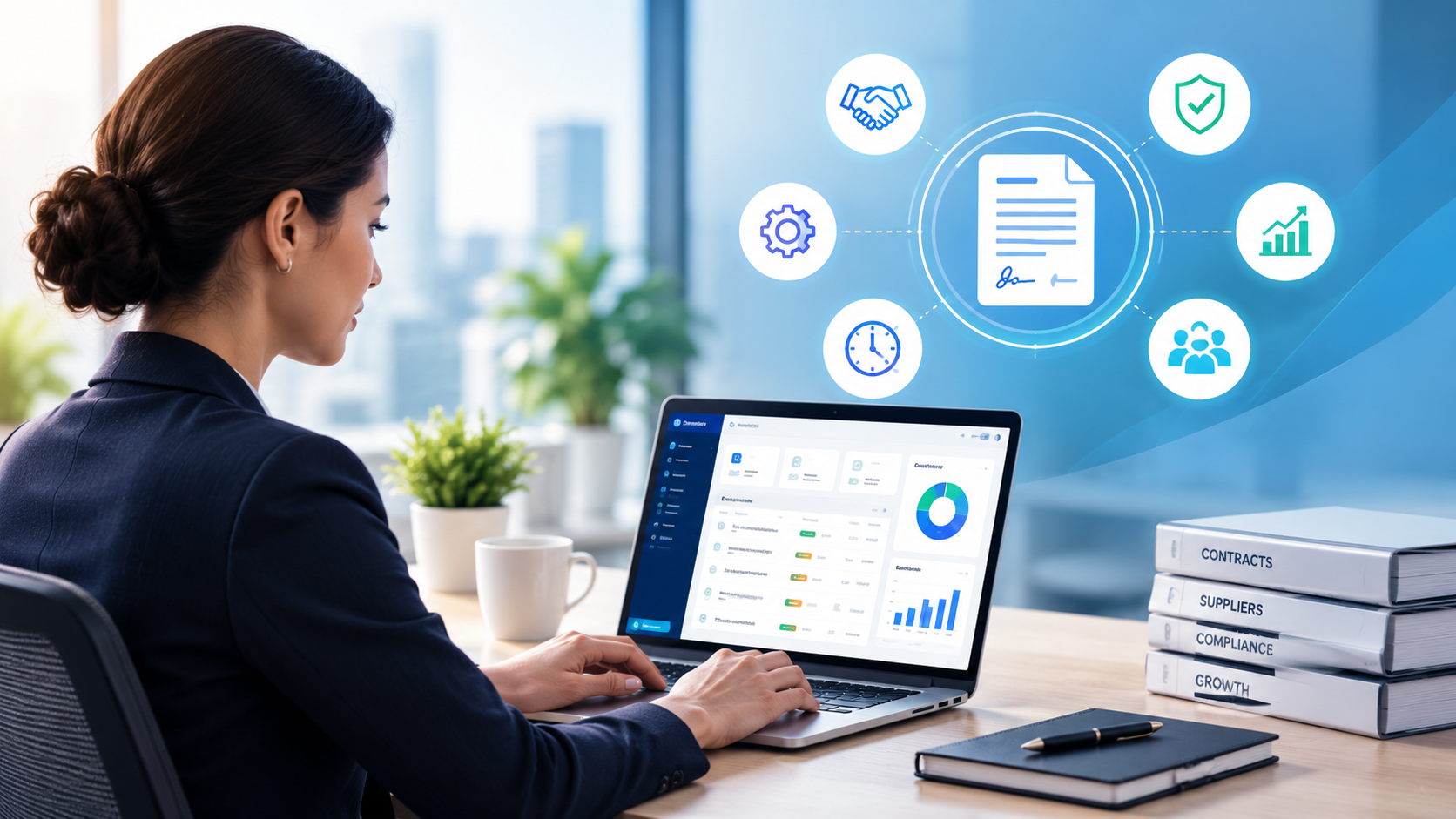
Contract management software addresses this problem by creating a single, searchable repository where every supplier contract is securely stored and easily accessible. Instead of hunting through email archives or shared drives, procurement teams can instantly locate the information they need, improving both efficiency and decision-making.
Manual Contract Management Is More Expensive Than Most Organizations Realize
Many procurement leaders assume that manual contract management is simply inefficient. It can become one of the organization’s most significant sources of hidden financial loss.
Supplier contracts contain critical dates, negotiated pricing, rebate structures, service-level commitments, renewal clauses, and compliance obligations. Missing even one of these elements can have substantial financial consequences. Automatic contract renewals often continue under outdated pricing models, negotiated discounts may never be applied, and supplier obligations can go unenforced because no one is actively monitoring them.
These issues rarely appear as obvious procurement failures. Instead, they slowly erode profitability through unnecessary spending, duplicate contracts, delayed sourcing initiatives, and unmanaged supplier risks.
Modern contract management software transforms contracts from static documents into active business assets. Automated reminders, intelligent workflows, and real-time reporting ensure that procurement teams remain aware of upcoming renewals, contractual obligations, and supplier commitments before they become costly problems.
Faster Procurement Begins with Better Contract Processes
One of the most common frustrations procurement professionals experience is waiting for contracts to move through lengthy approval cycles.
A supplier may already be selected, pricing negotiated, and purchase decisions finalized, yet the contract remains delayed because approvals are routed manually between procurement, legal, finance, and executive leadership. Every additional day delays supplier onboarding, project execution, and business operations.
Contract management software removes these bottlenecks by automating approval workflows. Contracts are automatically routed to the appropriate reviewers based on predefined business rules, reducing unnecessary delays while maintaining governance and compliance. Internal stakeholders receive notifications when action is required, approvals are tracked automatically, and complete audit trails are maintained throughout the process.
As a result, procurement teams spend less time coordinating approvals and more time delivering strategic value to the business.
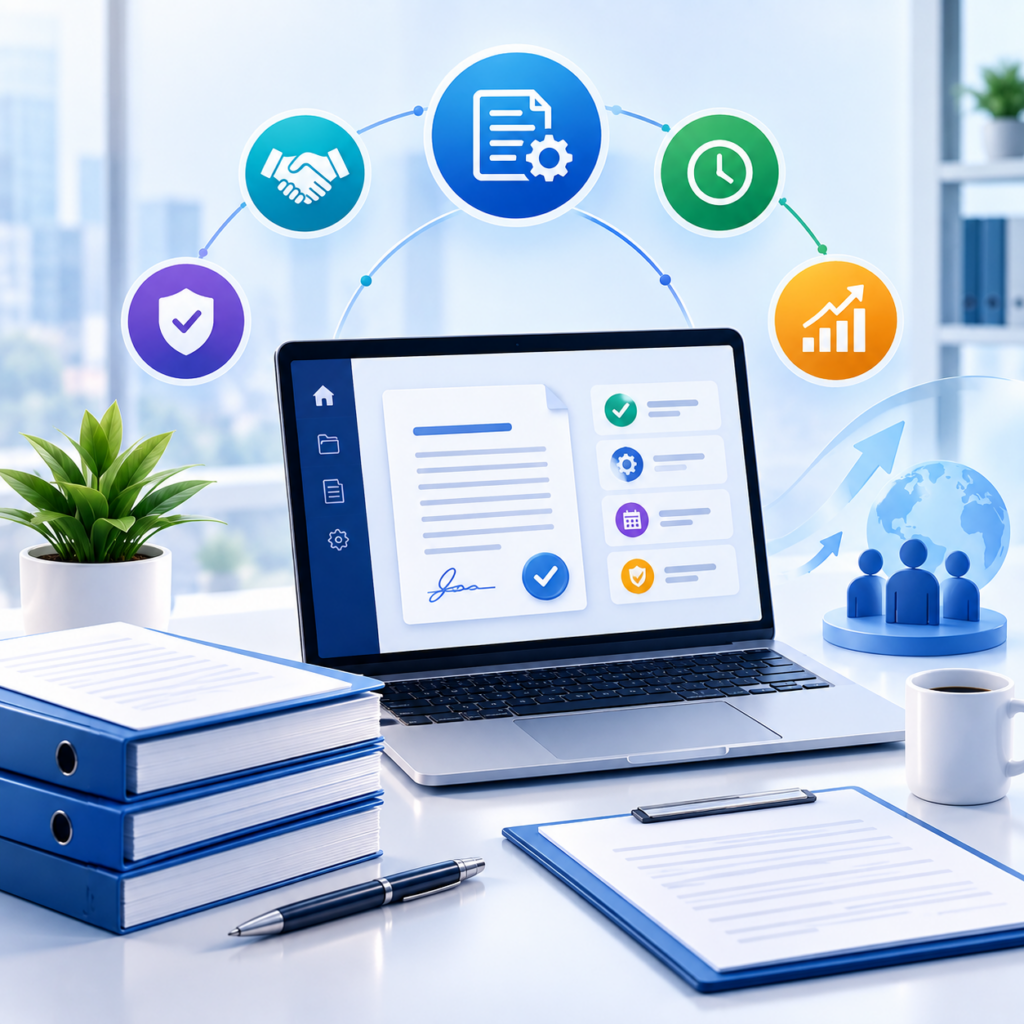
Strengthen Procurement with Smarter Contract Management
Simplify contract management, automate workflows, track obligations, reduce risks, and build stronger supplier relationships with SutiCLM.
Better Contracts Lead to Better Supplier Negotiations
Successful supplier negotiations depend on access to reliable information. Unfortunately, procurement professionals often negotiate without complete visibility into previous agreements.
Questions such as whether a supplier offered better pricing last year, accepted different payment terms, or agreed to stronger service-level commitments frequently require time-consuming manual research. By the time this information is located, negotiation opportunities may already be lost.
Contract management software gives procurement teams immediate access to historical contract data, negotiated pricing, approved clauses, supplier performance records, and amendment history. These insights create stronger negotiating positions by allowing procurement professionals to leverage institutional knowledge rather than relying solely on individual experience.
Organizations that negotiate using comprehensive contract intelligence consistently achieve better commercial outcomes while reducing negotiation cycles.
Procurement Needs Visibility Beyond Signed Contracts
Signing a supplier agreement is only the beginning of the procurement lifecycle.
Every contract contains ongoing obligations that require continuous monitoring. Suppliers must meet agreed service levels, maintain certifications, comply with security standards, deliver products according to schedule, and satisfy regulatory requirements. Procurement teams must also ensure that internal departments purchase according to negotiated pricing and approved supplier agreements.
Without continuous monitoring, organizations frequently discover contract issues only after service failures, compliance violations, or unexpected invoices occur.
Contract management software continuously tracks contractual obligations, sends proactive notifications before deadlines, and provides dashboards that allow procurement leaders to monitor supplier performance across their entire contract portfolio. Instead of reacting to problems after they occur, procurement teams can proactively manage supplier relationships and minimize operational risks.
AI Is Transforming Procurement Contract Management
Artificial intelligence is rapidly reshaping contract lifecycle management.
Modern AI-powered contract management software can automatically extract contract metadata, identify unusual clauses, summarize lengthy agreements, classify documents, detect missing provisions, and highlight contractual risks before agreements are finalized. Rather than manually reviewing hundreds of pages of legal language, procurement professionals receive concise summaries and actionable insights that accelerate decision-making.
AI also improves contract search capabilities. Instead of searching by document name, procurement teams can ask natural language questions such as “Which suppliers have contracts expiring next quarter?” or “Show all agreements containing automatic renewal clauses.” Within seconds, the system retrieves the relevant contracts and highlights key information.
These capabilities dramatically reduce administrative effort while improving contract accuracy and organizational visibility.
Stronger Compliance Creates Stronger Procurement Governance
Procurement organizations operate within increasingly complex regulatory environments. Supplier agreements must comply with internal purchasing policies, industry regulations, data privacy laws, cybersecurity requirements, sustainability initiatives, and contractual obligations imposed by customers or government agencies.
Managing these requirements manually increases the likelihood of missed obligations and audit findings.
Contract management software creates standardized approval processes, maintains detailed audit trails, and ensures that only approved templates and clause libraries are used throughout the organization. Every modification, approval, negotiation, and signature is recorded automatically, providing complete transparency for internal audits and regulatory reviews.
This level of governance helps organizations reduce compliance risks while strengthening procurement accountability.
Data-Driven Procurement Requires Contract Intelligence
Modern procurement leaders are expected to make strategic decisions based on accurate data rather than intuition.
Questions such as how much the organization is contractually committed to spend, which suppliers represent the greatest renewal risk, or where procurement can renegotiate pricing should be answered immediately—not after weeks of manual analysis.
Contract management software transforms contract data into business intelligence by providing real-time dashboards, supplier analytics, renewal forecasting, obligation tracking, and spend visibility. Procurement executives gain a comprehensive understanding of supplier relationships, enabling better sourcing strategies and more informed financial planning.
Instead of simply managing contracts, procurement teams begin managing business performance.
What Procurement Teams Should Look for in Contract Management Software
Not every contract management solution offers the same level of functionality. Procurement teams should prioritize platforms that support the entire contract lifecycle rather than focusing solely on document storage.
The ideal solution such as SutiCLM combines centralized contract repositories, intelligent search capabilities, obligation tracking, and more with procurement, ERP, CRM, and finance systems. These capabilities ensure that contracts remain connected to broader procurement processes rather than existing as isolated documents.
The Business Impact Extends Far Beyond Procurement
Although procurement teams are often the primary users of contract management software, the benefits extend across the entire organization.
Legal teams spend less time reviewing repetitive agreements because standardized templates and approved clause libraries simplify contract creation. Finance gains better visibility into future payment obligations and committed spending. Compliance teams benefit from complete audit trails and centralized documentation. Executive leadership receives accurate reporting that supports strategic sourcing decisions and supplier performance management.
Most importantly, suppliers experience faster onboarding, clearer communication, and more consistent contract administration, strengthening long-term business relationships.
When procurement, legal, finance, and supplier management all operate from the same source of truth, organizations eliminate unnecessary silos and improve operational efficiency.
Conclusion
Procurement has become one of the most strategic functions within modern organizations, but its success depends heavily on effective contract management. Every supplier agreement influences spending, compliance, operational continuity, and long-term business value. Managing these agreements through disconnected systems and manual processes is no longer sustainable in an environment where supplier ecosystems, regulatory requirements, and commercial risks continue to grow.
SutiCLM provides procurement teams with the visibility, automation, and intelligence needed to manage supplier relationships more effectively. By centralizing contracts, automating workflows, improving collaboration, monitoring obligations, and leveraging AI-driven insights, organizations can accelerate procurement cycles, reduce financial risk, strengthen supplier negotiations, and maximize the value of every contract.
Organizations that invest in intelligent contract lifecycle management are not simply improving document management—they are building a procurement function that is more agile, data-driven, and capable of delivering measurable business value. As procurement continues to evolve into a strategic driver of organizational success, contract management software has become an essential foundation for achieving greater efficiency, stronger governance, and sustainable competitive advantage.